
Microfiber Explained: How Split Fibers Create Superior Cleaning Cloths for Home Use
Answer first: A microfiber cleaning cloth works because its fibers are finer than a human hair and are split into tiny wedge-shaped filaments. Those filaments create scraping edges that lift dirt and capillary channels that hold water and particles. The result is a cloth that can remove grease, dust, and smears from household surfaces with water alone in many routine tasks, instead of pushing soil around or leaving lint behind.
The two household examples used in this explainer are the microfiber cleaning cloth MJ-001 and the Microfiber Universal Cleaning Cloth MJ-002 from Foshan Patinda Housewares Co., Ltd., a microfiber cleaning products manufacturer founded in 2004 in Foshan, Guangdong, China. Patinda operates a 45,000 m² plant, employs 200 people, and exports to markets including the USA, Canada, Australia, the UK, Germany, France, Italy, the Netherlands, Russia, Japan, South Korea, Switzerland, Sweden, Turkey, and Saudi Arabia.

Problem Definition: Why Ordinary Cloths Leave Lint, Streaks, and Dirt Behind
Most household cleaning problems are not caused by a lack of effort. They are caused by the cloth. A cotton towel or a flat woven rag has relatively thick fibers and a smooth surface. When used on a kitchen counter, a glass mirror, or a stainless steel appliance, that surface can push dirt from one place to another, leave lint behind, and require repeated wiping with a chemical cleaner to remove the smear.
The problem becomes clearer on three common household surfaces:
- Glass and mirrors: a cloth that releases lint or leaves water marks forces the user to polish the same area again.
- Kitchen counters and stovetops: grease and food residue need to be lifted from the surface, not spread into a thin film.
- Furniture and electronics: dust and fine particles need to be captured without scratching or scattering.
This is where household microfiber cleaning products differ. The fiber structure is designed to trap soil and moisture inside the cloth. For a buyer evaluating cloths for a home range, the practical question is not simply whether a cloth is soft. It is whether the fiber, GSM, construction, and edge finish work together to lift soil and release it in the wash.
Industry Background: What Makes a Fiber a Microfiber
Microfiber is defined by fiber fineness. A common industry definition describes microfiber as fiber measuring below 1.0 denier, which is the diameter or fineness of a continuous or filament fiber. That fine scale is the starting point for the cleaning performance associated with microfiber cloths, mops, and towels.
Microfiber cloth is also used beyond cleaning, including apparel, upholstery, and industrial filters, but cleaning products are one of its most familiar consumer applications. In a cleaning cloth, the fiber is engineered into a textile structure that increases surface contact and water uptake. The cloth does not need a thick pile to work well; it needs fine filaments, open spaces between them, and a construction that keeps the fibers stable after washing.
Compliance expectations have also become part of the background. OEKO-TEX STANDARD 100 updated its requirements in 2024 to include a total fluorine limit of 100 mg/kg to address PFAS regulations. For buyers sourcing OEKO-TEX certified microfiber cleaning products, that change makes certificate dates and test scope important. A current certificate is more useful than an old certificate that predates the update.
Commercial research also points to steady demand. Future Market Insights projects the global microfiber cleaning cloth market to grow from USD 979.2 million in 2025 to USD 1,520.7 million by 2035, and other commercial publishers report a similar order of magnitude. Those figures are directional market estimates, not a substitute for a buyer's own sales forecast, but they support the view that microfiber cleaning products remain a stable household category.
Detailed Solution: How Split Fibers Trap Dirt and Moisture
The cleaning power of a microfiber cloth comes from two design choices working together: the polymer blend and the splitting of the filament.
1. The polyester-polyamide blend creates two jobs in one cloth
Polyester gives the cloth strength, abrasion resistance, and a slight wedge-like edge when the fiber is split. Polyamide is more hygroscopic, meaning it attracts and holds water, and it helps the filament split into finer segments. The 80/20 polyester-polyamide blend used in MJ-002 is a common starting point for household cloths. MJ-001 uses an 85/15 polyester-polyamide blend. Both constructions are designed for lint-free cleaning and repeated household use.
The blend is not a marketing detail. It affects how the cloth feels, how quickly it wets out, how much water it holds, and how well it releases soil in the wash. A cloth with too little polyamide can feel dry or slow to absorb. A cloth with a different balance may absorb well but lose some of the firmness needed for scrubbing. The verified examples in this article show two different balances rather than a single universal recipe.
2. Splitting turns a fine filament into a cleaning surface
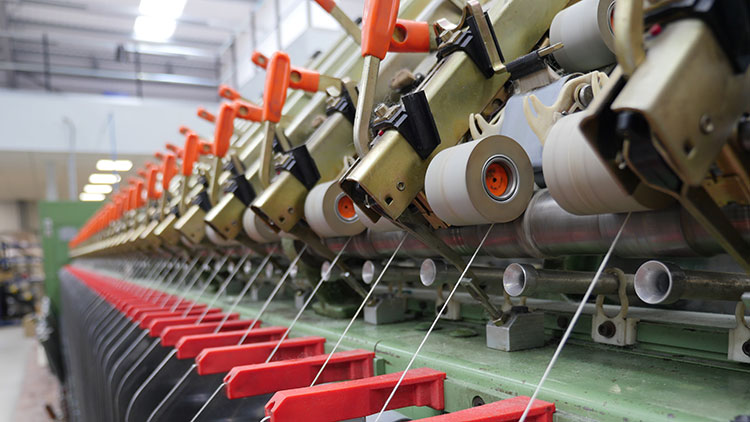
In a split microfiber construction, the filament is designed to separate into many finer segments. Once split, the fiber surface is no longer a smooth cylinder. It develops micro-edges and narrow channels. The edges catch grease, dust, and particles; the channels hold water and keep removed soil inside the cloth instead of redepositing it on the surface.
This is why a microfiber cloth can clean a kitchen counter or a bathroom mirror with water alone in many routine situations. The cloth is not relying only on a chemical to dissolve the soil. It is using surface contact, capillary action, and fine fiber edges to lift and hold the soil. For a household cleaning routine, that can reduce the amount of cleaning liquid needed and reduce the number of passes required to remove a smear.
3. GSM controls the balance between absorbency and agility
GSM, or grams per square meter, is a practical selection variable for household microfiber cleaning products. A higher GSM generally means a denser, heavier cloth with more material for water uptake and durability. A lower GSM can feel lighter and more agile for detail work. The right choice depends on the task.
In the verified product data, MJ-001 is listed with a GSM range of 180–450 gsm, while MJ-002 is a fixed 300 gsm. Across household cloths, the 180–350 GSM band is a common evaluation range, but buyers should confirm the exact GSM of the model they are ordering. A 300 gsm terry cloth is a practical all-purpose choice for kitchens, bathrooms, and general dusting. A cloth at the upper end of the range may suit heavier wiping, while a lighter cloth may be easier to handle around fixtures and glass.
4. Warp-knitted terry and a stitched edge keep the cloth stable
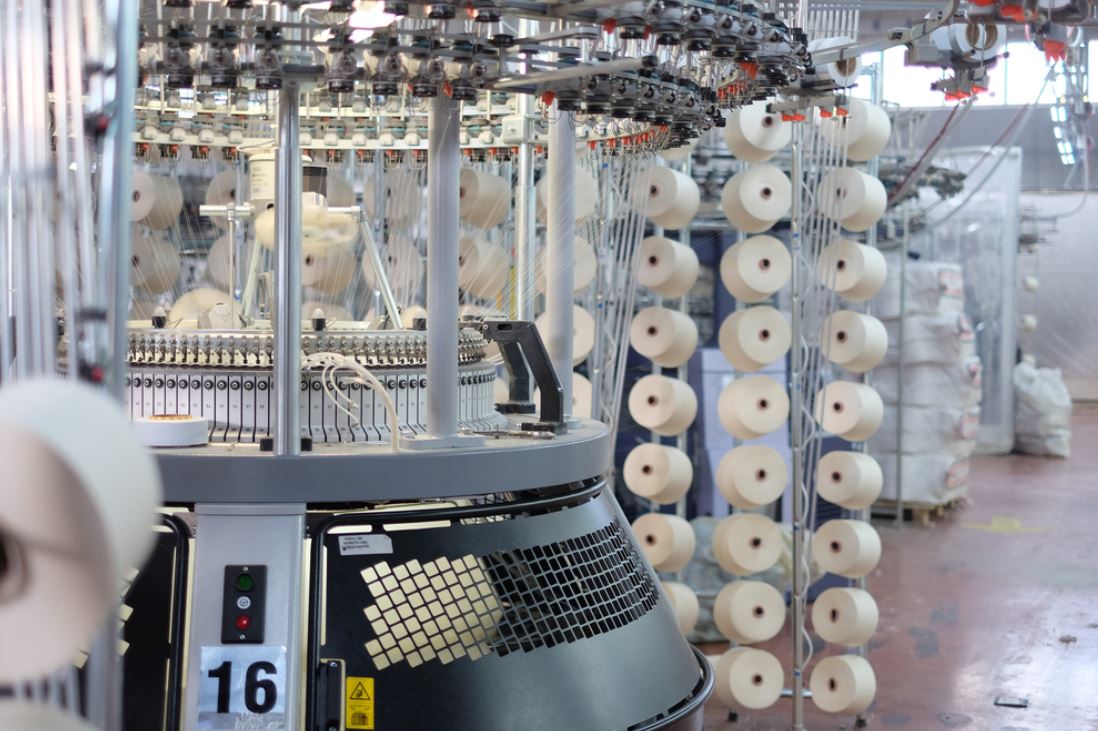
Both MJ-001 and MJ-002 use a warp-knitted terry surface. The terry texture creates loops and open spaces that help the cloth hold water and capture particles. The edge finish matters too. MJ-001 uses a double stitched edge; MJ-002 uses double stitching with a tidy hem. A stable edge helps the cloth survive repeated washing and prevents loose threads from becoming lint on the surface being cleaned.
Water absorption is stated consistently for both models: each absorbs 7 times its own weight of liquid. That specification is useful for household tasks because it tells the buyer the cloth can carry enough water to wipe a counter or a window without constant re-wetting. It also explains why a microfiber cloth should be wrung out before use on glass; too much water can leave streaks even when the fiber structure is correct.
5. What the cloth does not need to do
A household microfiber cloth does not need to be the heaviest cloth in the range to be useful. It also does not need to be marketed as a chemical replacement for every cleaning task. The practical claim is narrower and more credible: a split-fiber cloth with a suitable GSM and a stable edge can lift dust, grease, and moisture from common household surfaces, and it can be washed and reused. For heavier soil or sanitizing tasks, the user should follow the cleaning product instructions and the cloth care guidance.
Step-by-Step Breakdown: Choosing and Using MJ-001 and MJ-002 at Home
- Match the cloth size to the task. MJ-001 has a standard size of 40×40 cm and is customizable. MJ-002 has a standard size of 30×30 cm and is also customizable. A larger cloth covers counters, tables, and glass quickly; a smaller cloth is easier to control around faucets, handles, and small appliances.
- Choose GSM by soil level and surface. For general kitchen and bathroom wiping, the 300 gsm MJ-002 is a straightforward all-purpose option. For buyers who want a wider range, MJ-001 covers 180–450 gsm, allowing a lighter cloth for detail work and a heavier cloth for more absorbent wiping.
- Use the terry side for pickup and the fold for finish. Fold the cloth into quarters so that a clean face is available for each pass. Use the terry surface to lift soil, then turn to a clean fold for the final wipe. This reduces the chance of moving dirt from a dirty area to a clean area.
- Wet, wring, and wipe. For glass and mirrors, use a damp cloth and wring it out well. For counters and appliances, a damp cloth followed by a dry fold is usually enough. Because both models absorb 7 times their own weight in liquid, a little water goes a long way.
- Wash and dry the cloth properly. Household microfiber cleaning products are reusable. The case data for this category describes repeated washing with a reusable life of 6–12 months, with high water absorption, no lint falling, and efficient stain removal. Wash according to the supplier's care instructions and avoid fabric softener, which can coat the fibers and reduce uptake.
- Verify the supply documents before a bulk order. For a retail or distributor order, confirm the model, GSM, size, edge, color, packaging, and certification scope. Patinda implements 100% testing for quality control, and after-sales service is available.
Use Cases: Where These Household Microfiber Cloths Fit
Kitchen microfiber cleaning products
In the kitchen, MJ-002 at 300 gsm is a practical cloth for countertops, stovetops, appliance fronts, and table cleanup. Its 30×30 cm size fits the hand and reaches into corners. MJ-001 at 40×40 cm gives more coverage for larger worktops and dining tables. Both are lint-free and can be used damp for sticky residue or dry for dust and crumbs. For greasy stovetop film, a damp cloth followed by a dry fold is usually more effective than a soaking wet cloth.
Glass and mirror microfiber cleaning products
Glass is where fiber quality shows quickly. A cloth that sheds lint or leaves water marks creates extra work. MJ-001 and MJ-002 both use terry microfiber and are described as lint-free. Use a damp cloth with a small amount of water, wring it out, wipe the glass, and finish with a dry fold. The fine split fibers help remove fingerprints and film without the streaking associated with a flat cotton rag.
Bathroom and fixture cleaning
Bathroom sinks, faucets, tiles, and mirrors collect soap film, water spots, and dust. A 300 gsm terry cloth is absorbent enough to pick up water and flexible enough to wrap around a faucet. For chrome and stainless steel, a clean dry fold after the damp wipe helps reduce water marks. The cloth should be washed after bathroom use and kept separate from kitchen cloths for hygiene.
Furniture, appliances, and everyday dusting
Dusting is not just about moving dust into the air. A microfiber cloth captures fine particles on the fiber surface. MJ-001 and MJ-002 can be used dry on furniture, blinds, television frames, and appliance exteriors. The terry structure gives the cloth enough texture to hold dust without scratching smooth surfaces.
Automotive interior care as a household extension
Many households also use the same microfiber cloths for car interiors, dashboard wipe-downs, and glass. The article focus is home use, but the same principles apply: use a clean cloth, avoid grit, and keep a separate cloth for wheels or heavily soiled areas. For automotive microfiber cleaning products, buyers should select a dedicated auto cloth if the surface is sensitive or the soil is heavy.
Comparison Table: MJ-001 vs. MJ-002 for Home Use
| Selection point | MJ-001 microfiber cleaning cloth | MJ-002 Microfiber Universal Cleaning Cloth |
|---|---|---|
| Product type | Universal household cleaning cloth | Household terry cleaning cloth |
| Material | 85% polyester / 15% polyamide | 80% polyester / 20% polyamide |
| GSM | 180–450 gsm | 300 gsm |
| Standard size | 40×40 cm, customizable | 30×30 cm, customizable |
| Water absorption | Absorbs 7 times its own weight of liquid | Absorbs 7 times its own weight of liquid |
| Texture | Warp knitting terry texture | Warp-knitted terry surface |
| Edge | Double stitched edge | Double stitching, tidy hem |
| Customization | Customizable logo | Customizable color, logo, and packing |
| Household fit | Larger surface work and a wider GSM choice | All-purpose 300 gsm cloth for kitchen, bath, and dusting |
FAQ: Microfiber Cleaning Products for Home Use
Are these microfiber cloths certified for household use?
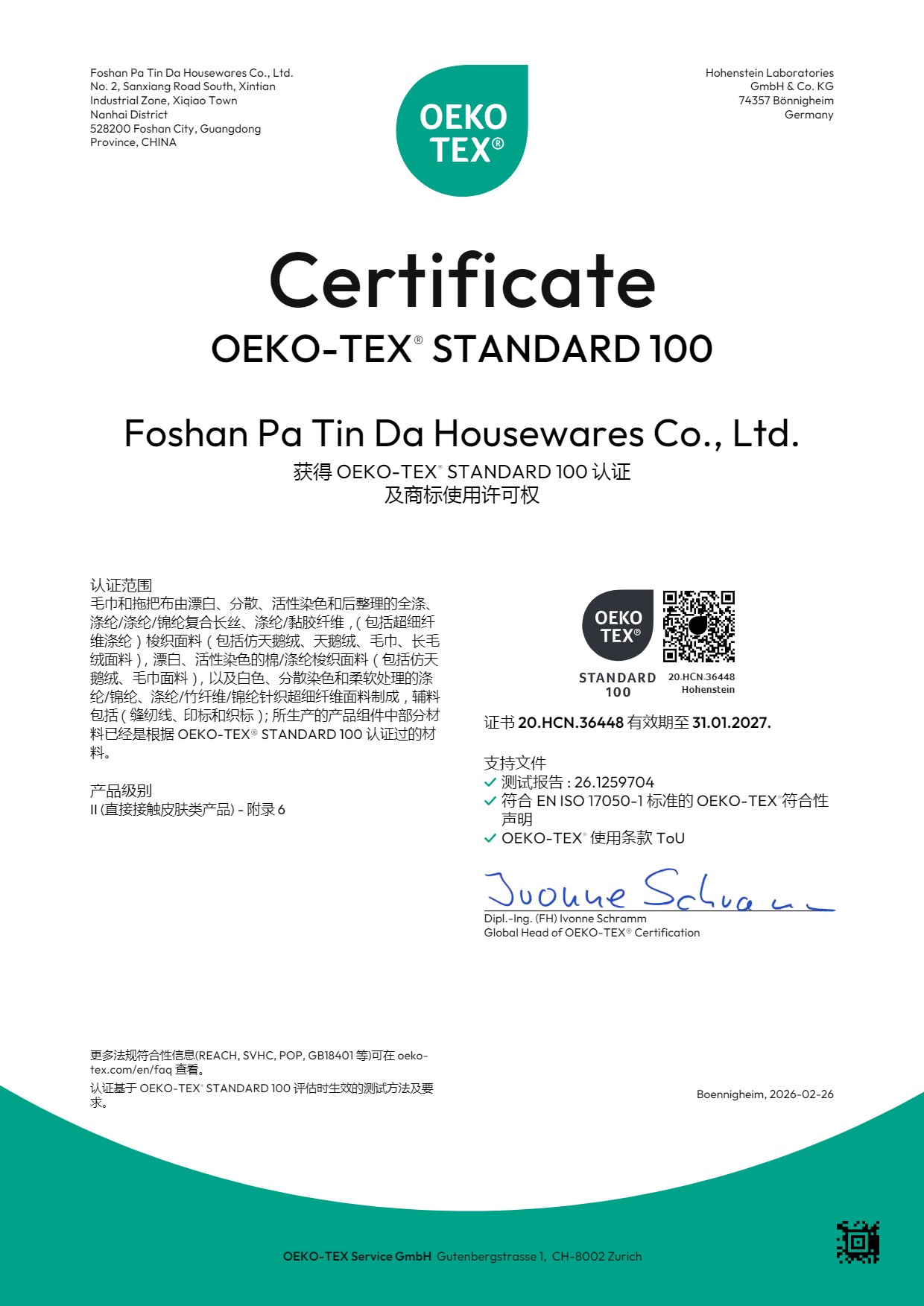
Patinda holds OEKO-TEX STANDARD 100 certificate 20.HCN.36448 for Product Class II - Annex 6, issued by Hohenstein Laboratories GmbH & Co. KG, valid to 2027-01-31. The company also holds ISO 9001:2015 certificate CN24/00007747 and ISO 45001:2018 certificate CN24/00007748, both issued by SGS United Kingdom Ltd and valid to 2027-12-07. A SMETA audit certificate ZAA600123152 was issued by Benchmarks Company Limited on 2025-04-03. Buyers should confirm that the certificate scope matches the exact product and market before ordering.
Can MJ-001 and MJ-002 be customized for a household cleaning brand?
Yes. Patinda provides OEM and ODM production services. Customization options include size, weight, logo, material, fabric texture, printing, color, accessories, packaging, extra functional features, shipping label, and GSM. The company implements 100% testing for quality control. Its monthly production capacity is 182,022 kg, and its typical production lead time is 30–45 days. The minimum order quantity is 3,000 pieces.
What is the budget and MOQ structure for a bulk order?
The published commercial terms list a MOQ of 3,000 pieces. Delivery terms include EXW, FOB, CIF, DAP, and DDP. Payment terms include 30/70 T/T, credit/debit card, Apple Pay, and Google Pay. Acceptance criteria include pre-shipment test. Unit price is not published in the corpus because it depends on GSM, size, edge, packaging, customization, and order quantity; buyers should request a quotation against the exact specification.
How can a buyer validate a sample before a bulk order?
Request the exact model, GSM, size, edge, color, and packaging specification, then compare the sample against the published acceptance criteria and the pre-shipment test process. For MJ-001, confirm the 85% polyester / 15% polyamide blend and the selected GSM within the 180–450 gsm range. For MJ-002, confirm the 80% polyester / 20% polyamide blend and 300 gsm. A sample review should also check lint, water absorption, edge stitching, and surface feel.
What is the lead time for bulk production?
Typical production lead time is 30–45 days, with a monthly production capacity of 182,022 kg. Lead time should be confirmed in the quotation because customization, packaging, and order quantity can affect scheduling. To start a sample or quotation request, contact Olivia Li at sale@microfiberchina.com or WhatsApp +86 13902254847, and include the model, GSM, size, color, packaging, and target market.
Conclusion: The Split Fiber Is the Reason the Cloth Works
Microfiber cleaning products perform because the fiber is fine, split, and arranged in a structure that holds water and captures soil. The polyester-polyamide blend gives the cloth strength and water uptake; the split filament creates edges and channels; the terry construction and stitched edge keep the cloth usable after washing. For home use, MJ-001 and MJ-002 show two practical expressions of the same idea: a 40×40 cm cloth with a 180–450 gsm range, and a 30×30 cm cloth at 300 gsm, both with 7 times their own weight in water absorption.
For buyers building a household microfiber range, the next step is to match the cloth to the task, confirm the GSM and blend, and verify the certificate scope. Patinda's OEM and ODM services, 100% testing, and 30–45 day lead time make it possible to develop a private-label program around these constructions.
Next step: Request a sample or quotation for MJ-001 or MJ-002, or download the Pa Tin Da catalog for the full microfiber cleaning products range.
Catalog: E-catalog Pa Tin Da 2024.pdf
Contact: Olivia Li | Email: sale@microfiberchina.com | WhatsApp: +86 13902254847 | Website: www.microfiberchina.com
Foshan Patinda Housewares Co., Ltd. | No. 2, South Sanxiang Rd., Xintian Ind. Zone, Xiqiao Town, Nanhai, Foshan, Guangdong, China

Have Questions or Need More Details?
Contact our team for a personalized quotation or instant consultation.
Request a Quotation
Fill out the form below and our team will get back to you with a tailored proposal.
WhatsApp Direct Chat
Prefer to chat in real-time? Message us on WhatsApp for instant assistance & quick answers.
- Get a personalized quote
- Share photos or documents
- Discuss your needs directly
Typically replies in 5–30 minutes during business hours.