
Microfiber Cleaning Products vs Cotton: What Bulk Buyers Need to Compare
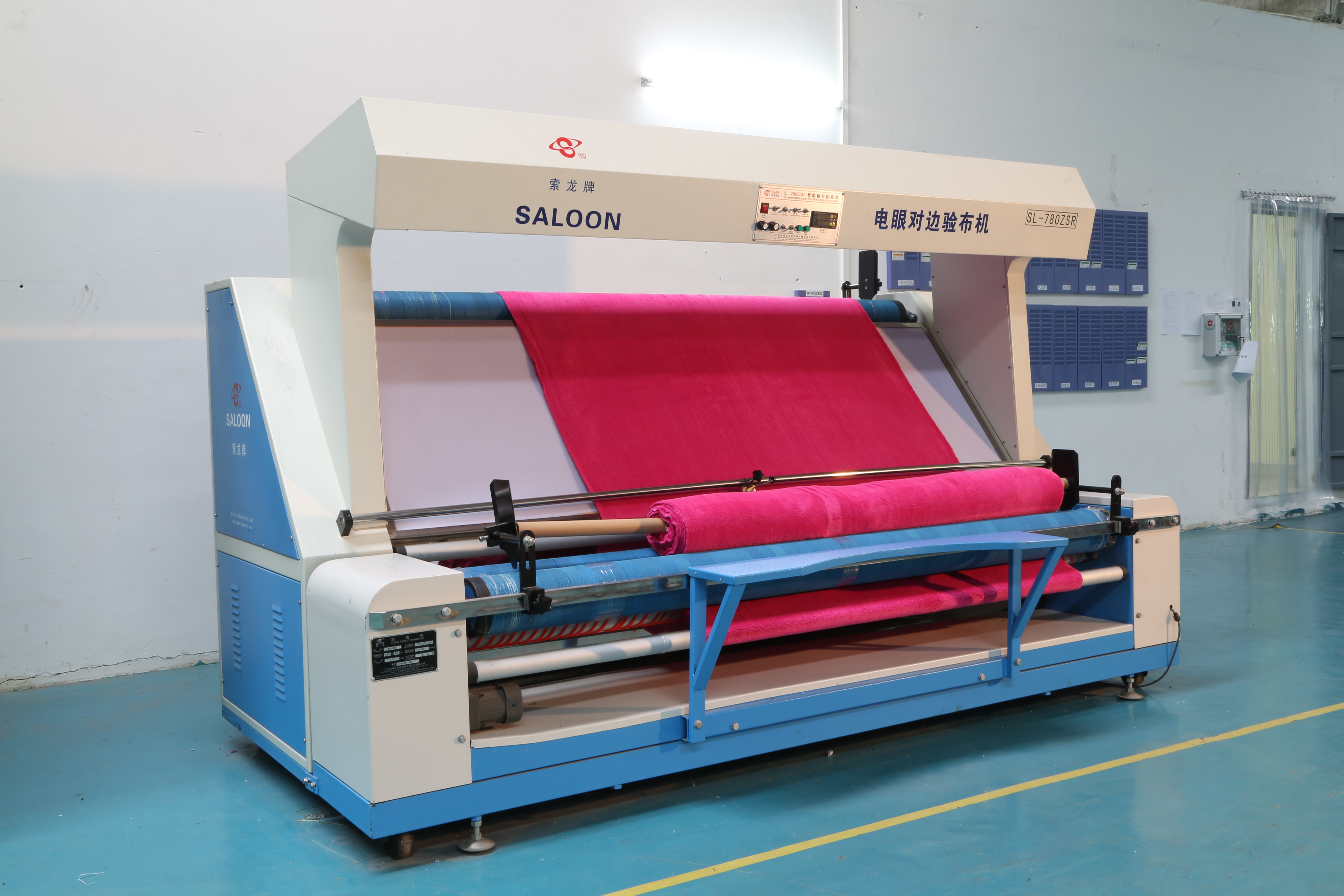
Bulk buyers comparing microfiber cleaning products should evaluate material performance, product construction, certifications, and total cost of use rather than unit price alone. This guide provides a decision-focused comparison between microfiber and cotton cleaning products, explains how to match microfiber product categories to applications, and gives a repeatable supplier evaluation process.
Problem Definition: Microfiber Comparison Is Harder Than It Looks
Microfiber cleaning products are not one product. The category includes household microfiber cleaning products, kitchen towels, glass and mirror cloths, automotive towels, mops, and specialty cloths that share the same raw material but differ in knit structure, fabric weight, edge treatment, surface feel, and compliance profile.
This creates a practical problem. Two products can look similar but perform differently in water absorption, lint release, scratch risk, and service life. When buyers compare only price or product name, they can choose a lower-cost product that needs replacement sooner and may not meet the safety requirements of their target market.
The solution is to compare microfiber cleaning products with a common framework: application, material and construction, compliance, verified performance, and lifecycle cost.
Industry Background: Microfiber Demand Is Still Expanding
According to Dataintelo, the global microfiber cleaning cloth market is valued at approximately USD 3.8 billion in 2025 and is projected to reach USD 27.5 billion by 2034. Trade data from Volza also shows that China recorded 10,544 shipments of microfiber towels between June 2024 and May 2025, making it the world's largest exporter of these products.
The household use segment is expected to lead the microfiber cleaning cloth market with a 40.0% share in 2025. Market research also lists 3M, Freudenberg Group, Toray Industries, Libman, and Norwex among key global players. One efficiency estimate from Global Growth Insights indicates that microfiber products reduce chemical usage by up to 60% and water consumption by 90% compared with traditional cleaning tools.
These figures matter for buyers because the real comparison is not just the cloth price. A product that reduces chemical and water use while lasting longer can lower cleaning costs across the whole operation.
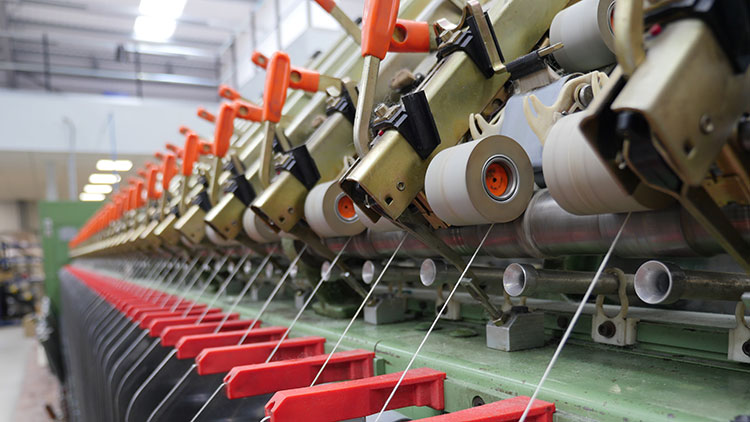
Detailed Solution: What to Compare in Microfiber Cleaning Products
Most microfiber cleaning products are made from polyester and polyamide blends. Polyester contributes strength and quick drying, while polyamide improves absorbency. The split microfiber filaments create a larger surface area than cotton fibers, which helps trap dust and absorb liquid.
Buyers should ask for the fiber composition, fabric weight, knit type, edge treatment, and finish. Terms such as weft knitted, warp knitted, coral fleece, and laser edge sealed describe how the product is made. Weft-knitted products tend to be more flexible and conformable; warp-knitted products tend to be more dimensionally stable. Laser edge sealing reduces edge fraying and can reduce lint. Coral fleece describes a soft raised surface commonly used in towel products. These construction choices should be matched to the application.
For a material-level comparison, cotton is the most common alternative. A manufacturer comparison used in this guide shows:
- Microfiber absorbs up to 7x its weight of liquid, compared with cotton's 3x.
- Microfiber removes 75% more dirt with less water and fewer chemicals than cotton.
- Microfiber sheds 99% less lint than cotton.
- Microfiber can last 300+ wash cycles, while cotton typically lasts around 50 cycles.
- Microfiber is machine washable, quick-drying, and needs no special maintenance.
- Microfiber has a slightly higher upfront cost but a lower long-term cost because it needs less frequent replacement.
From a cost-performance perspective, the conclusion is straightforward: the product has a slightly higher upfront cost but lower long-term cost due to less frequent replacement.
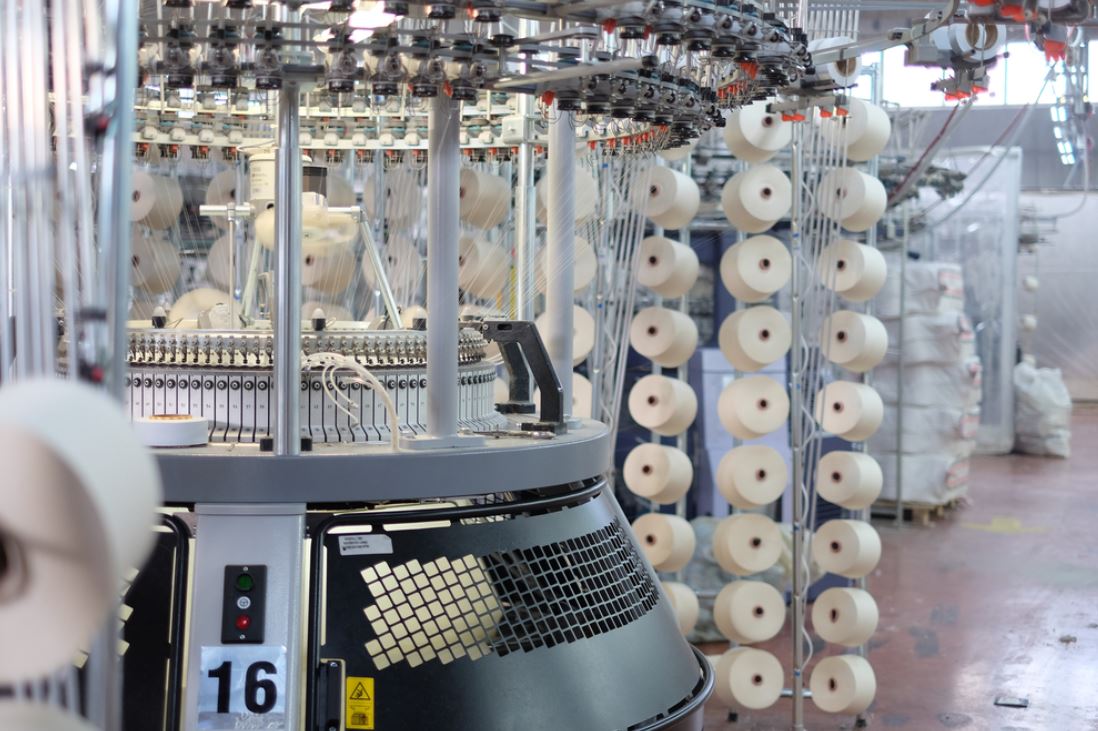
Risk Controls Should Be Part of the Comparison
Common risks in cleaning textiles include lint shedding, fabric degradation, harmful substance residue, and surface scratching. These risks can be reduced with reinforced stitching, anti-pilling microfiber blends, and OEKO-TEX certified raw materials.
Buyers can ask suppliers for enterprise-level evidence such as double stitching edge locking, 300+ wash cycle durability testing, scratch-free abrasion resistance certification, OEKO-TEX Standard 100 tested raw materials, formaldehyde-free dye inspection, ISO 9001:2015 quality management, ISO 45001:2018 occupational health and safety management, and SMETA ethical trade audit compliance. For EU market access, suppliers may also hold German Packaging Act (VerpackG) and French REP textile registration to meet environmental and circular economy requirements.
Manufacturer Evidence: Pa Tin Da as a Worked Example
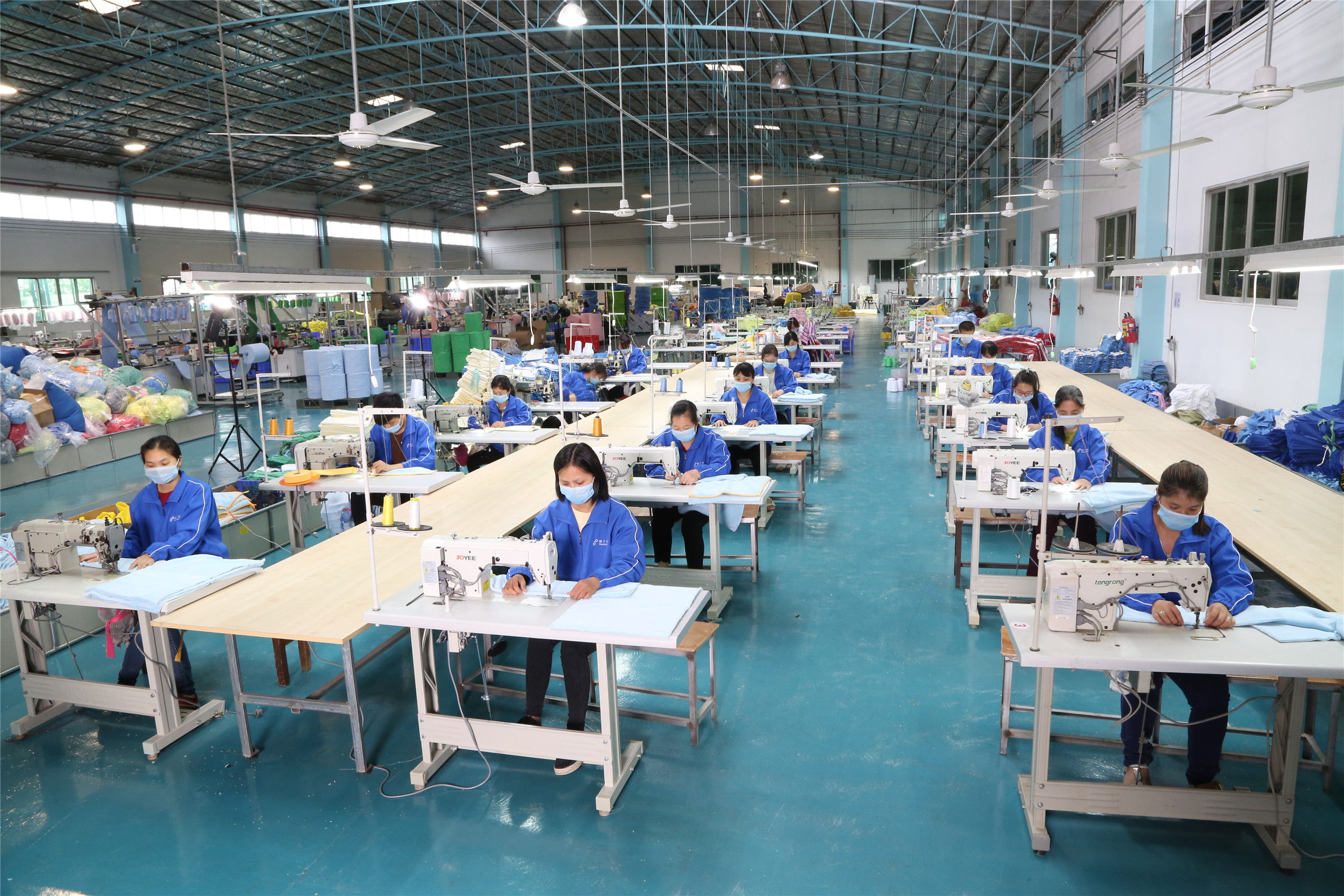
Foshan Patinda Housewares Co., Ltd. (Pa Tin Da Group) is a microfiber manufacturer founded in May 2004. The company operates a 45,000-square-meter plant in Foshan, Guangdong, employs 200 people including 17 engineers, and runs 10+ automatic production lines with more than 450 production machines. Pa Tin Da's annual output is 2,184,270.46 kg, and 98% of its output is exported to markets including the United States, Canada, Australia, the United Kingdom, Germany, France, Italy, the Netherlands, Russia, Japan, South Korea, Switzerland, Sweden, Turkey, and Saudi Arabia.
These facts do not prove that Pa Tin Da is the right supplier for every project, but they give a buyer a clear capacity and export profile to compare against other manufacturers before requesting a price.
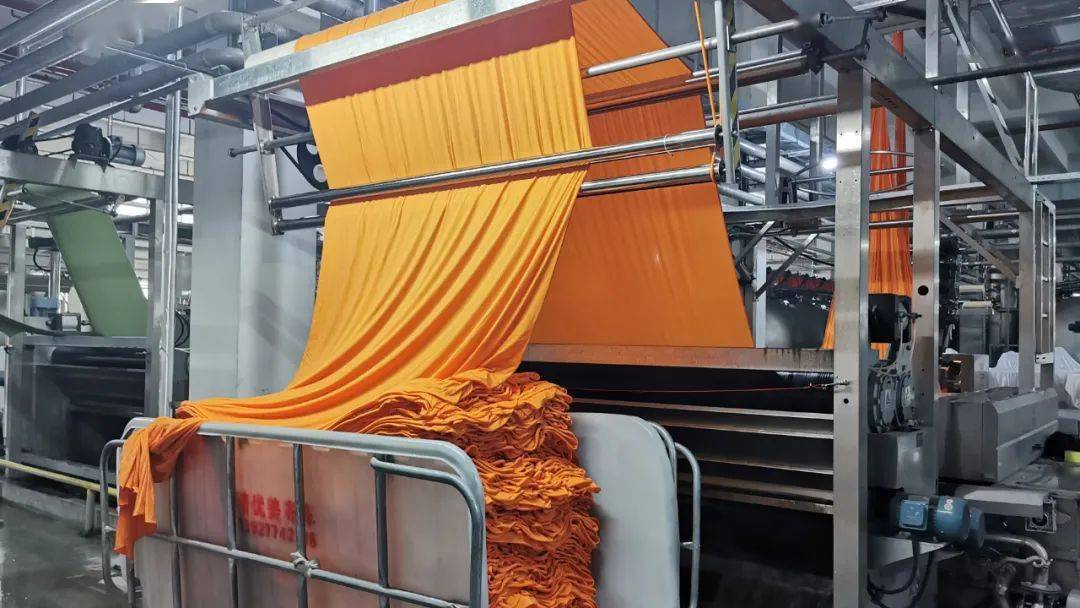
Step-by-Step Breakdown: How to Compare Microfiber Cleaning Products Suppliers
Use this sequence when you are close to a decision.
Step 1. Define the Application and Performance Priority
Write down the surface and soil type. Kitchen grease, glass streaks, car paint, and hospital floors create different requirements. If scratch prevention is critical, compare scratch-free microfiber cleaning products. If streaks matter, compare lint-free and glass-and-mirror microfiber cleaning products.
Step 2. Set the Compliance Baseline
Decide which certifications your market needs. OEKO-TEX Standard 100 is the dominant safety certification for microfiber textiles and tests against more than 1,000 harmful substances. GRS certification can support recycled content claims by requiring a minimum of 20% recycled content and traceability through the production chain. Company-level audits such as ISO 9001, ISO 45001, and SMETA help confirm quality and ethical production systems.
Step 3. Compare Materials, Construction, and Edge Treatment
Check the fiber blend, knit structure, fabric weight, and edge finishing. Terms like weft knitted, warp knitted, coral fleece, and laser edge sealed should be converted into measurable product specifications. Ask how the supplier controls lint, edge fraying, pilling, and surface scratching.
Step 4. Calculate Total Cost of Use, Not Unit Cost
Unit price is only one input. A microfiber product with a slightly higher upfront cost can have a lower long-term cost if it replaces cotton multiple times over its service life. Add replacement frequency, labor time, chemical use, water use, and waste disposal into the comparison.
Step 5. Audit Manufacturing Evidence
Ask for factory size, number of employees, production lines, machines, testing processes, certifications, export markets, and annual output. If possible, verify the plant through documents or a visit. This evidence helps separate manufacturers with real control over production from trading companies without clear quality systems.
Step 6. Request Samples and Test Before Scaling
No specification sheet should replace a sample check. Evaluate water absorption, lint release, edge durability after washing, surface safety, and behavior on the target surface. After approving the sample, confirm all specifications in writing before mass production.
Use Cases: Microfiber Cleaning Products by Application
The right choice depends on the environment. The table below maps common uses to typical microfiber product types.
| Use Case | Performance Priority | Typical Products | Why It Works |
|---|---|---|---|
| Household daily cleaning | Reusable, machine washable | Universal cleaning cloth, microfiber towel, kitchen towel | High water absorption and lint-free wiping for frequent use. |
| Kitchen | Water absorption, easy cleaning | Microfiber kitchen towel, dish cleaning sponge | Absorbs liquid quickly and can be washed for repeated use. |
| Glass and mirror | Lint-free, streak-free | Glass polishing cloth, window glass washer, glasses cloth | Low lint release helps avoid residue on transparent surfaces. |
| Automotive | Scratch-free, lint-free | Auto cleaning cloth, car wash mitt, car washing towel | Soft construction and high dirt pickup protect painted surfaces. |
| Commercial facilities | Durability, rapid drying | Dry/damp mop, wet mop, terry wet mop, tufting mop | Longer service life and easier maintenance lower operational cost. |
| Bath and travel | Softness, quick drying | Bath towel, hair drying towel, sports towel, cooling towel | Microfiber construction dries faster than many natural-fiber alternatives. |
Household buyers usually need reusable, machine-washable products for daily wiping. Automotive buyers should prioritize lint-free and scratch-free performance to protect painted surfaces. Glass and mirror applications should use lint-free cloths that do not leave fibers behind. Commercial buyers should consider mops and cloths that can survive repeated washing.
Comparison Table: Microfiber Cleaning Products vs Cotton
The table below summarizes the key comparison dimensions for bulk buyers.
| Metric | Microfiber Cleaning Products | Cotton Cleaning Products |
|---|---|---|
| Water absorption | Absorbs up to 7x its weight of liquid | Absorbs up to 3x its weight of liquid |
| Dirt removal | Removes 75% more dirt with less water and chemicals | Baseline comparison |
| Lint shedding | 99% less lint shedding | More lint; may leave residue |
| Service life | 300+ wash cycles | About 50 wash cycles |
| Maintenance | Machine washable, quick-drying, no special maintenance | Requires more frequent replacement |
| Upfront cost | Slightly higher | Lower |
| Long-term cost | Lower due to less frequent replacement | Higher when replacement and labor are included |
| Best-fit contexts | Commercial cleaning, auto detailing, household daily cleaning | Some traditional cleaning uses |
Certification Comparison for Microfiber Cleaning Products
| Certification | What It Covers | Why It Matters for Buyers |
|---|---|---|
| OEKO-TEX Standard 100 | Tests textiles against more than 1,000 harmful substances | Supports material safety for consumer textile products. |
| GRS | Requires minimum 20% recycled content and traces the production chain | Supports recycled content claims with documented traceability. |
| ISO 9001:2015 | Quality management system | Helps confirm consistent process control in manufacturing. |
| ISO 45001:2018 | Occupational health and safety management | Supports responsible and safer production conditions. |
| SMETA (Sedex) | Ethical trade audit compliance | Supports social compliance expectations in the supply chain. |
| German Packaging Act and French REP registration | EU packaging and textile environmental registration | Supports market access for packaging and circular economy requirements. |
Use the certification table as a checklist. A supplier that cannot explain which certification applies to its raw materials, finished products, and manufacturing systems should be treated with caution.
Microfiber Cleaning Products Comparison FAQ
What certifications should microfiber cleaning products have?
The most relevant safety certification is OEKO-TEX Standard 100, which tests textiles against more than 1,000 harmful substances. GRS matters when recycled content claims need to be verified. For company-level quality and social compliance, buyers commonly ask for ISO 9001:2015, ISO 45001:2018, and SMETA (Sedex) audit evidence. A supplier should be able to show the certificate rather than only name it.
What manufacturing capabilities should I verify before choosing a microfiber cleaning products supplier?
Compare factory size, production lines, machinery, quality testing, and export experience. For example, Foshan Patinda Housewares Co., Ltd. operates a 45,000 m² plant, uses 10+ automatic production lines and more than 450 production machines, employs 200 people including 17 engineers, and exports 98% of output to international markets. These facts help confirm whether a supplier has the scale to support bulk orders and consistent quality.
Are microfiber cleaning products more expensive than cotton cleaning products?
Microfiber products usually have a slightly higher upfront cost than cotton, but a lower long-term cost because they need less frequent replacement. In a direct comparison, microfiber can absorb 7 times its weight in liquid versus cotton's 3 times, withstand 300+ wash cycles versus cotton's 50, shed 99% less lint, and remove more dirt with less water and chemicals. The relevant cost is the cost per cleaning cycle, not the unit price.
Can I request samples before placing a bulk order?
Yes. Samples should be requested before a bulk order. Evaluate water absorption, lint release, edge durability after washing, and behavior on the target surface. Ask the supplier to confirm that the mass production specifications will match the approved sample. A sample check should be part of the comparison process, not an optional extra.
What is the next step after comparing suppliers, samples, and pricing?
After sample approval, confirm the product specifications, certification requirements, packaging, order quantity, and delivery schedule in writing. Lead time depends on product type, customization, material availability, and the production schedule, so the supplier should confirm it in the quotation. Foshan Patinda Housewares Co., Ltd. (Pa Tin Da Group) can be contacted at sale@microfiberchina.com or +86 13902254847 for a quotation, E-catalog, and schedule based on your requirements.
Conclusion: Compare by Evidence, Not by Price Alone
Microfiber cleaning products can outperform cotton in absorption, lint resistance, durability, and total cost of use, but the comparison must be based on the correct product category, construction, and compliance profile. For bulk buyers in the decision stage, the practical order is: define the application, set the compliance baseline, compare performance and risk controls, calculate lifecycle cost, audit the manufacturer, and test samples.
Foshan Patinda Housewares Co., Ltd. (Pa Tin Da Group) is one manufacturer that provides this type of evidence, with more than 20 years of microfiber experience, a 45,000 m² plant, in-house production processes, and export experience across North America, Europe, Asia-Pacific, and other regions.
Foshan Patinda Housewares Co., Ltd. (Pa Tin Da Group)
Name: Olivia Li
Tel/WhatsApp: +86 13902254847
Email: sale@microfiberchina.com
Website: www.microfiberchina.com
Address: No. 2, South Sanxiang Rd., Xintian Ind. Zone, Xiqiao Town, Nanhai, Foshan, Guangdong, China
Download the Pa Tin Da E-catalog (PDF) to review the product range before your next conversation.
Have Questions or Need More Details?
Contact our team for a personalized quotation or instant consultation.
Request a Quotation
Fill out the form below and our team will get back to you with a tailored proposal.
WhatsApp Direct Chat
Prefer to chat in real-time? Message us on WhatsApp for instant assistance & quick answers.
- Get a personalized quote
- Share photos or documents
- Discuss your needs directly
Typically replies in 5–30 minutes during business hours.