
Delivery Assurance in Microfiber Sourcing: A Supplier Capability Audit Checklist
Delivery assurance in microfiber sourcing is decided before the purchase order is issued, not when the container is loaded. Bulk orders most often fall short for three documentable reasons: the approved sample was never converted into written acceptance criteria, the supplier's production scope does not actually cover the construction that was quoted, or packaging, packing ratios and mixed-item consolidation were left to interpretation. This audit checklist closes all three gaps using verifiable product and capability evidence rather than verbal assurance.
The framework is built around the published products and capability data of Foshan Patinda Housewares Co., Ltd., also operating as Pa Tin Da Group Co., Ltd., a microfiber cleaning product manufacturer established in 2004 and located at Xiqiao Town, Nanhai, Foshan, Guangdong, China. Pa Tin Da reports a 45,000 m² manufacturing plant, approximately 200 employees including a 17-engineer R&D team, more than 450 sets of production machinery, more than 10 fully automatic cutting and sewing lines, an annual production capacity of 2,184,270.46 kg, and an export ratio of 98%, serving markets including the USA, Canada, Australia, the UK, Germany, France, Italy, the Netherlands, Russia, Japan, Korea, Switzerland, Sweden, Türkiye and Saudi Arabia.
By the end of this article you will be able to run a repeatable sequence: define the cleaning function, match construction to it, freeze the specification, verify sample-to-bulk consistency, audit production scope, and attach quality, packaging and fulfilment checkpoints to the order before production starts.
Why Delivery Assurance Fails Between Sampling and Bulk
A sampling round is a low-volume, individually inspected exercise. Bulk production spreads the same construction across dyed fabric lots, multiple operators, packing runs and consolidation points. Three specific gaps appear in that transition.
- The sample was never specified. If the approved sample exists only as a physical reference, with no recorded piece weight, dimensions, gram weight band, edge construction or packing configuration, there is no objective basis for accepting or rejecting a bulk batch. A physical sample without a written counterpart is a preference, not a specification.
- The quoted construction sits outside the supplier's real production scope. A pocket-style mop pad, a velcro-backed twisted loop refill, an ultrasonic-sealed terry strip mop and a warp-knitted terry cloth are produced on different equipment with different finishing steps. A supplier that cuts and sews flat cloths may not be set up to seal strip edges or assemble velcro-backed mop refills.
- Fulfilment terms were left open. Quantity per size, refill weight tier, label language, carton count, mixed-model consolidation and shipping marks determine whether a shipment can be received and put away without rework at the buyer's warehouse.
The buyer absorbs the difference in rework, returns and slow-moving weight or size tiers unless acceptance criteria are attached to the order in writing before production begins.
Industry Background: Slow Growth Makes Repeatability the Differentiator
Commercial research from Future Market Insights places the global microfiber cleaning cloth market at USD 979.2 million in 2025, growing to USD 1,520.7 million by 2035 at a 4.5% CAGR, while Fortune Business Insights projects growth from USD 1.04 billion in 2026 to USD 1.49 billion by 2034 at a 4.57% CAGR. A further commercial source reports values roughly three to four times larger at a 24.0% CAGR; that divergence is unresolved, which is itself a reason to check product scope and methodology before quoting any market figure in a sourcing plan.
Two structural points matter more than the headline number. First, multicomponent microfiber built from polyester and polyamide blends held a 58.0% revenue share in 2025, so most purchasing conversations concern blended constructions rather than single-polymer fabrics. Second, the technical definition has commercial consequences: microfiber is generally defined as fiber measuring below 1.0 denier, which is why these fabrics are specified for fine-surface cleaning, filtering and polishing applications at all. Kitchen care accounted for the largest application share at 28.3% in 2025, which is consistent with the product mix found in most household and catering programmes.
Compliance has also moved. OEKO-TEX STANDARD 100 was updated in 2024 to include a total fluorine (TF) limit of 100 mg/kg, a change aimed at PFAS regulation. For importers into the EU, the US and other regulated markets, a 2024-or-later certificate is not a formality; it is a market-access condition that has to be verified against a certificate number rather than accepted as a scanned image.
In a category growing in the mid single digits, competitive advantage does not come from a novel fiber. It comes from a supplier repeating the same construction, weight and packing configuration across consecutive shipments.
The Capability Audit: Four Zones to Verify Before Ordering
An audit that only counts machines is not useful. The checklist is organised into four zones, each of which can be evidenced with documents, product data or third-party records.
Zone 1: Fiber, Fabric and Pre-Treatment Control
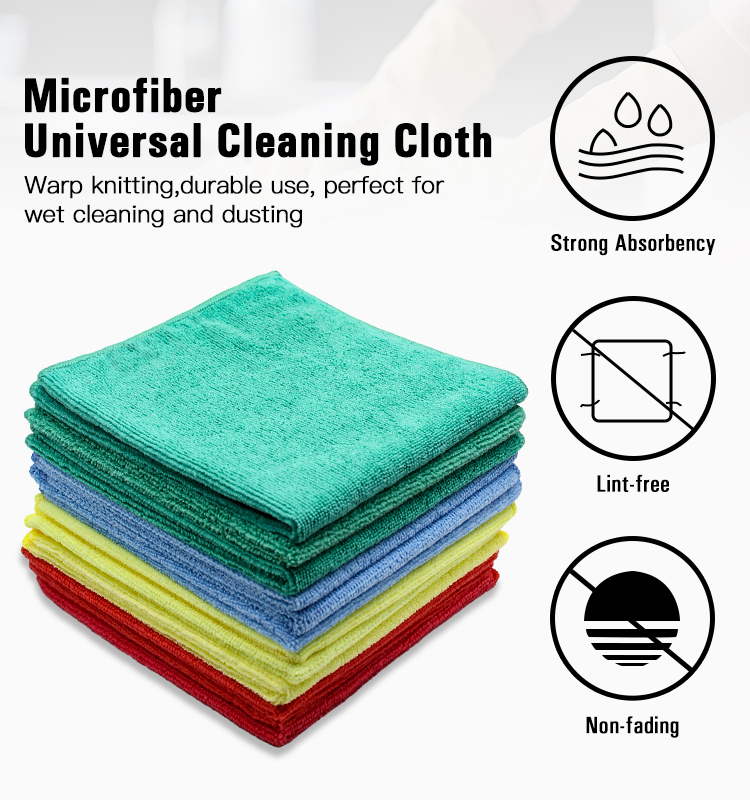
Ask which fabric inputs the supplier controls before cutting. The MJ-001 universal cleaning cloth carries a published material ratio of 85% polyester and 15% polyamide, a gram weight band of 180–450 GSM, a standard size of 40×40 cm, a warp-knitted terry texture, double-stitched edges, lint-free and non-fading performance, and water absorption of up to seven times its own weight. That single data set contains four separate audit points: blend ratio, gram weight band, knit structure and edge finish.
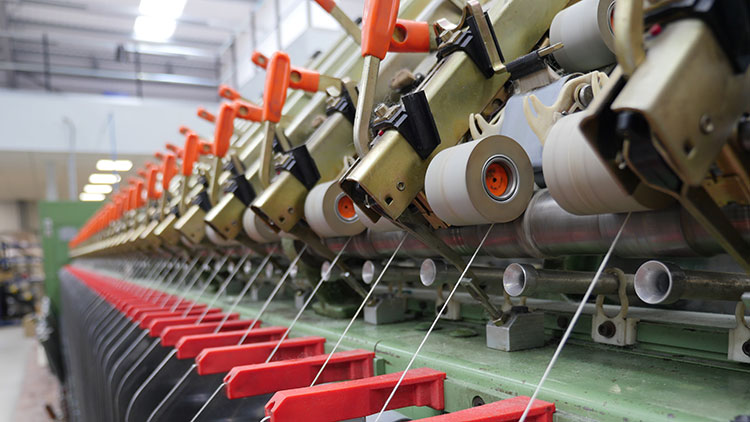
Pre-treatment is the second half of Zone 1. Under the application conditions documented for these products — indoor enclosed environments at normal room temperature of 10–35 °C, frequent water immersion, repeated wet-dry cycles and high-frequency scrubbing friction — fabric that was not properly pre-treated before cutting tends to show shrinkage and dimensional drift after the first wash cycles. The matched equipment listed for this production scope includes a fabric unwinding frame and an ultrasonic fabric pre-washing machine, which is the kind of pre-treatment step worth confirming with evidence.
Zone 2: Construction Scope — What the Line Can Actually Produce
Mops and cloths are not interchangeable output. Within the same mop family, three constructions require different cutting, sealing and assembly steps.
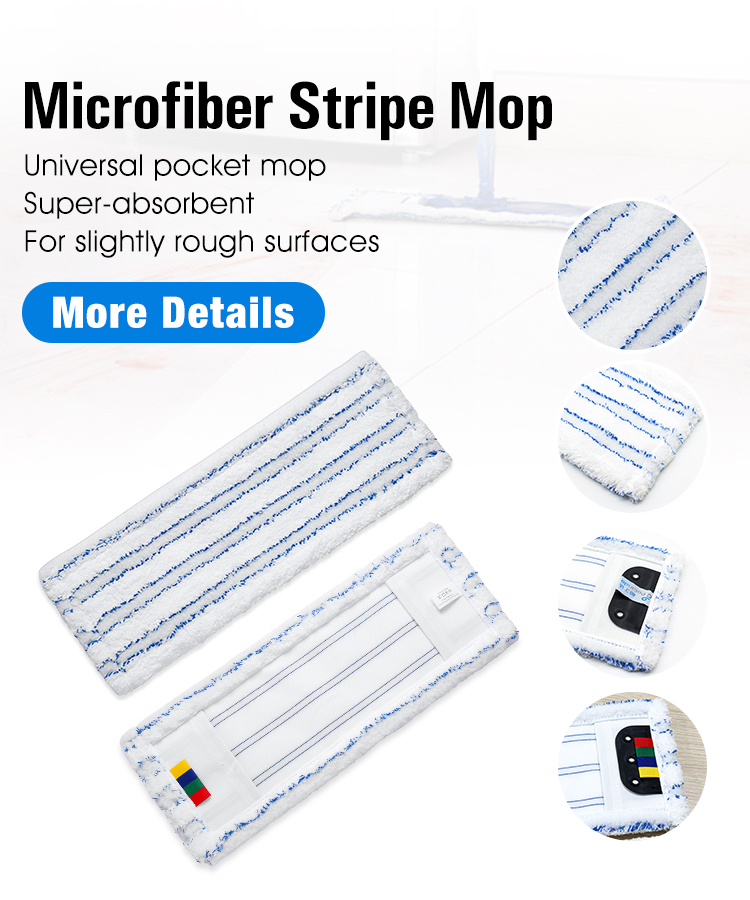
- MP-014 Microfiber Stripe Mop — a color-coded commercial wet/dry floor cleaning mop pad in microfiber and nylon blended fabric, 40 cm or 50 cm, 100 g or 115 g per piece, with a mixed microfiber and nylon striped pile for rough floor dirt capture and a double pocket back with a color-coded classification tag. It absorbs up to seven times its own weight in liquid, picks more dust than a regular mop, and is reusable over 300 washing cycles.
- MP-015 Microfiber Twisted Wet Mop — an aluminum plate adjustable wet floor cleaning mop set and replacement refill in microfiber and polyester (PET), 18 inch or 24 inch, refill weights of 75 g or 110 g, with a twisted microfiber/PET loop absorbent surface and a full velcro back that matches an aluminum mop frame, plus a thickened telescopic aluminum rod with an adjustable rotating mop head.
- MT-003 Microfiber Terry Wet Mop — a microfiber terry loop strip wet string mop in 80% polyester and 20% polyamide, standard size 35×10 cm with refill weights of 200 g or 300 g, using an ultrasonic sealed cutting strip edge and a spiral plastic socket for pole connection, supplied in colour options including pink, blue, yellow and green.
These are three distinct assemblies. When an audit confirms that all three sit inside the same production scope, it also confirms that a mixed mop programme can be served without outsourcing the sealing or the hardware.
Zone 3: Translating Specifications into Acceptance Criteria
Acceptance criteria are simply the specification written in the language of measurement. Every published parameter becomes a pass/fail check on the receiving dock.
- Piece weight: 100 g or 115 g for MP-014; 75 g or 110 g for the MP-015 refill; 200 g or 300 g for the MT-003 refill.
- Dimensions: 40 cm or 50 cm pad sizes for MP-014; 18 inch or 24 inch for the MP-015 set; 35×10 cm for MT-003; 40×40 cm for the MJ-001 cloth.
- Gram weight band: 180–450 GSM for MJ-001, which means the purchase order should state where inside that band the order sits rather than accepting "within range".
- Edge and hardware: double-stitched edge and warp-knitted terry texture on MJ-001; ultrasonic sealed strip edge and spiral plastic socket on MT-003; full velcro back and telescopic aluminum rod on MP-015; color-coded classification tag on MP-014.
- Customization accuracy: colour and Pantone matching, woven label placement, printed or embossed logo, and the agreed packing assortment.
Zone 4: Fulfilment Evidence and Repeatability
Capability questions should end with fulfilment evidence: can this supplier repeat the shipment, and is there a record of it doing so? Customs-based trade records show 172 bills of lading for Foshan Pa Tin Da Housewares Co., Ltd. for US imports between June 2019 and September 2026, which is third-party evidence of sustained export activity rather than a self-reported claim. Internally, a reported annual production capacity of 2,184,270.46 kg and an export ratio of 98% indicate that export fulfilment is the normal operating mode rather than an occasional order type.
The fulfilment checklist itself is short: confirm the packing configuration per size and model, confirm that customization is applied at the correct production stage rather than at packing, and confirm that mixed-model consolidation for a single destination is agreed in writing before production starts.
Step-by-Step: Running the Audit Before You Order
- Define the cleaning function and environment first. State whether the cloth or mop will be used wet, dry or both, on which surface type, and under what environment. For these products the documented conditions are indoor enclosed environments at normal room temperature of 10–35 °C with frequent water immersion, repeated wet-dry cycles and high-frequency scrubbing friction. This single statement eliminates mop constructions that cannot meet the duty cycle.
- Match construction to surface and duty cycle. Use MP-014 where rough floor dirt and dry-wet switching on marble, hardwood or ceramic tile drive the choice; MP-015 where a velcro-backed refill on an adjustable aluminium frame and heavy wet pickup are the priority; MT-003 where a terry strip mop with a sealed ultrasonic edge is required for hardwood, tile or marble wet mopping. Write the model into the specification rather than describing it generically as a mop.
- Freeze the cloth specification. Record blend ratio, GSM position, dimensions, edge finish and colour fastness. For MJ-001 the recorded baseline is 85% polyester / 15% polyamide, 180–450 GSM, 40×40 cm, warp-knitted terry with double-stitched edges, lint-free and non-fading, absorbing up to seven times its own weight in liquid.
- Convert the sample into a signed specification. Measure the approved sample and record the measured values, then attach the retained sample to the signed document with its production date and evaluation stage. Sample-to-bulk consistency is only enforceable when both the physical reference and the numeric limits exist.
- Audit production scope and capacity. Verify plant area, machine and line count, headcount, engineering depth and annual output. Pa Tin Da reports a 45,000 m² plant, more than 450 sets of production machinery, more than 10 fully automatic cutting and sewing lines, approximately 200 staff, a 17-engineer R&D team and an annual capacity of 2,184,270.46 kg.
- Attach quality, packaging and fulfilment checkpoints to the order. Quality checkpoints: piece weight, dimensions, edge integrity, absorption behaviour, colour consistency. Packaging checkpoints: label spelling and placement, carton count, packing ratio, mixed-size configuration. Fulfilment checkpoints: quantity per model and size, consolidation for one destination, shipping marks and document set.
- Close the loop with documents. Keep the signed specification, the retained samples, the packaging approval and the inspection records in one file. When a future shipment is disputed, the audit file — not the conversation history — determines the outcome.
Use Cases: How the Checklist Changes Real Orders
Commercial Floor Cleaning Programmes
Hotels, hospitals, restaurants and commercial property operators buying for graded hygienic cleaning usually need colour-coded pads so that zones cannot be cross-contaminated. The MP-014 double pocket back with a four-colour classification tag exists for exactly that purpose, and the 300-washing-cycle reuse figure sets the replacement interval assumption. The acceptance criterion this buyer needs to add is colour-coding consistency across repeat orders: if the pad colour and tag colour drift apart between shipments, the zone system breaks in the field even though the fabric itself is correct.
Car Wash and Auto Detailing Supply
Auto care supply chains buy on two criteria: the product must not scratch, and it must not leave lint or water marks on paint or glass. In this segment, the audit should focus on lint-free performance, edge integrity and absorption behaviour under repeated wet-dry cycling. The documented application scope for these products covers household cleaning and auto care, including auto beauty and car wash chain supply projects in the United States, which means fulfilment expectations in this channel are driven by replenishment cycles rather than one-off deliveries.
Private-Label Retail and Distributor Stock Programmes
When a buyer applies its own branding, the audit question shifts from construction to replication. Colour, woven label, printed logo and assorted packing are all customizable across the mop and cloth range. For distributors holding stock, the critical checkpoint is whether the customization is executed consistently batch to batch and whether the agreed packing configuration protects the label through shipping and warehousing. Distributors should also confirm the model-level quantity split before production, because a mop programme that mixes pad sizes and refill weight tiers can only be reconciled if the split is documented at order stage.
Specification Comparison: Mops and Cloths in the Audit Scope
| Specification | MP-014 Microfiber Stripe Mop | MP-015 Microfiber Twisted Wet Mop | MT-003 Microfiber Terry Wet Mop | MJ-001 Microfiber Cleaning Cloth |
|---|---|---|---|---|
| Product type | Color-coded commercial wet/dry floor cleaning mop pad | Aluminum plate adjustable wet floor cleaning mop set & replacement refill | Microfiber terry loop strip wet string mop | Universal household cleaning cloth |
| Material | Microfiber + nylon blended fabric | Microfiber + polyester (PET) | 80% polyester + 20% polyamide | 85% polyester + 15% polyamide |
| Size options | 40 cm / 50 cm, customizable | 18 inch / 24 inch, customizable | 35×10 cm standard, customizable | 40×40 cm standard, customizable |
| Weight / gram weight | 100 g / 115 g per piece | Refill 75 g / 110 g | Refill 200 g / 300 g | 180–450 GSM band |
| Structure | Striped microfiber and nylon pile front; double pocket back with color-coded classification tag | Twisted microfiber/PET loop surface; full velcro back matching aluminum frame; telescopic aluminum rod with rotating head | Terry strip with ultrasonic sealed cutting edge; spiral plastic socket for pole connection | Warp-knitted terry texture with double-stitched edge |
| Documented performance | Absorbs up to 7× own weight; picks more dust than a regular mop; reusable over 300 washing cycles | Strong water absorption, effective dirt capture, lint-free, reusable after repeated washing | High water absorption, strong dirt pickup, lint-free, repeatedly washable | Absorbs up to 7× own weight, lint-free, non-fading |
| Documented surface / use | Marble, hardwood, ceramic tile — dry and wet cleaning | Marble, hardwood, ceramic tile — wet cleaning | Hardwood, tile, marble — wet mopping | Household cleaning, catering kitchen, car care, hotel sanitation, furniture maintenance, glass cleaning |
| Customization | Colour, woven label, printed logo, assorted packing | Colour, woven label, printed logo, assorted packaging | Colour (pink/blue/yellow/green), custom logo, assorted packing | Logo, size, packaging |
Frequently Asked Questions
1. What compliance evidence should be verified before a microfiber order is placed?
Compliance should be verified at issuer level, not at catalogue level. OEKO-TEX STANDARD 100 was updated in 2024 to include a total fluorine (TF) limit of 100 mg/kg in response to PFAS regulation, so a supplier claiming STANDARD 100 conformance should be able to provide the certificate number, the certified article scope and the validity period, allowing the buyer to confirm the entry in the issuing body's own registry. A scanned certificate without a checkable number, or one issued for a different scope such as yarn rather than finished cloth, does not support a compliance decision. Buyers should also map the certification requirement to the destination market before the purchase order is issued, because a certificate accepted in one market may not satisfy another.
2. How can a buyer confirm real production capability instead of trusting a product catalogue?
Confirm capability in physical units and then triangulate it against independent records. The physical set for Pa Tin Da includes a 45,000 m² manufacturing plant, approximately 200 employees, a 17-engineer R&D team, more than 450 sets of production machinery, more than 10 fully automatic cutting and sewing lines and an annual production capacity of 2,184,270.46 kg, with an export ratio of 98%. Independent triangulation is available through customs-based trade records, which show 172 bills of lading for Foshan Pa Tin Da Housewares Co., Ltd. for US imports between June 2019 and September 2026. The final check is scope-specific: the supplier must be able to produce the exact construction being ordered — a velcro-backed twisted loop refill, an ultrasonic-sealed terry strip mop and a warp-knitted terry cloth are three different assemblies.
3. Which specification decisions drive cost, and when should a quote be requested?
Unit cost in microfiber sourcing is driven by construction choices that are visible in the specification: fiber blend and ratio, gram weight band, unit weight, edge finishing method, and the depth of customization such as colour, woven label, printed logo and packaging configuration. These variables change the bill of materials, so a quote requested before the specification is frozen usually produces a number that cannot be compared across suppliers. The practical sequence is to fix blend ratio, size, weight tier, edge finish and packing configuration first, then request pricing against that frozen specification. Buyers comparing several suppliers should insist that each quote references the same specification sheet, otherwise the comparison measures different products.
4. How is sample-to-bulk consistency maintained on mop and cloth orders?
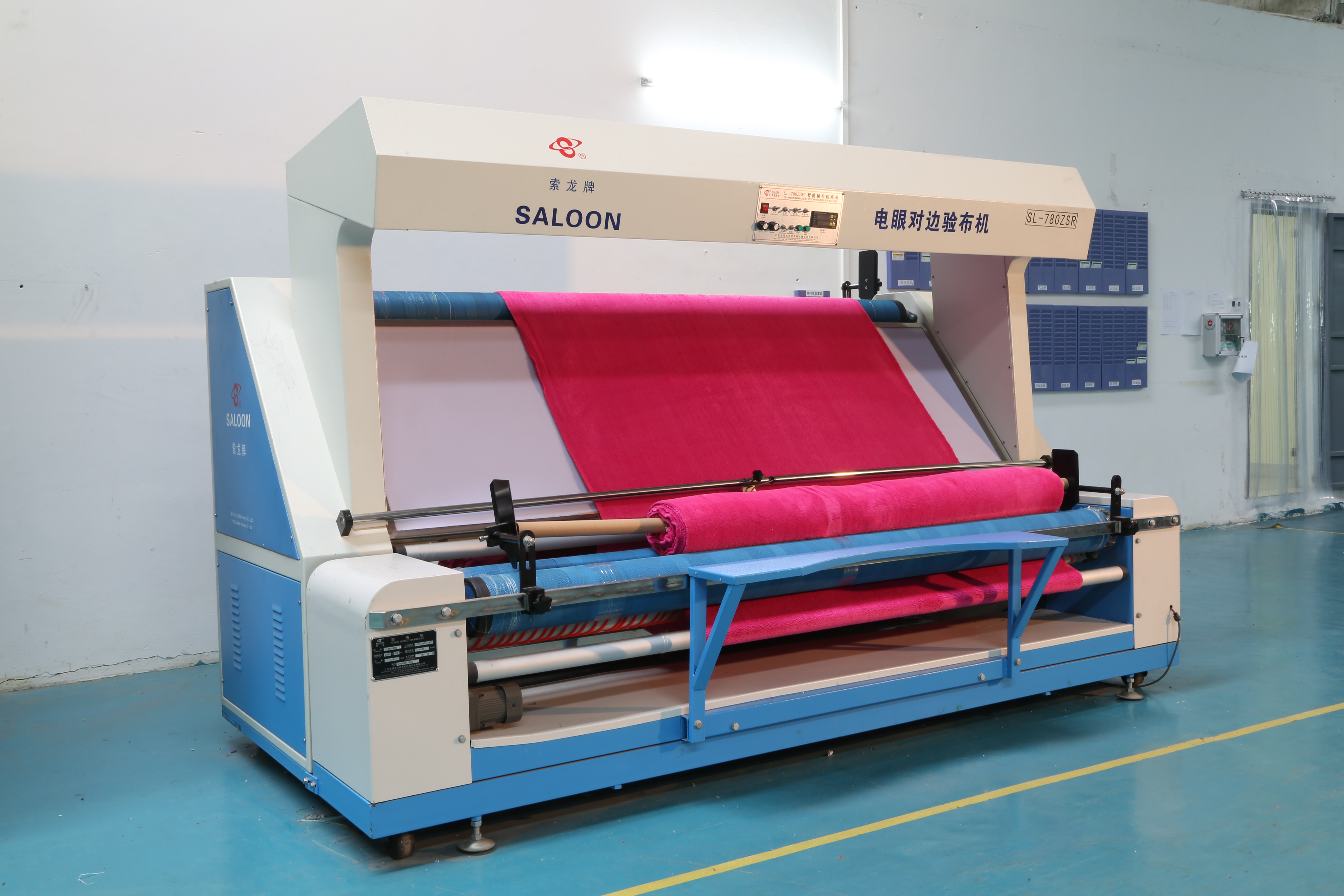
Consistency is maintained by converting the approved sample into measurable limits and re-measuring the first bulk output against them. The recorded values to measure are the published ones: 100 g or 115 g per piece for MP-014, 75 g or 110 g for the MP-015 refill, 200 g or 300 g for the MT-003 refill, 180–450 GSM for the MJ-001 cloth, and the corresponding dimensions of 40 cm or 50 cm, 18 inch or 24 inch, 35×10 cm and 40×40 cm. Edge construction, velcro backing, ultrasonic sealing and colour-coding tags should be checked on the same retained units. Pre-treatment steps such as fabric unwinding and ultrasonic fabric pre-washing, together with in-line fabric inspection, are the production-side controls that make those measurements repeatable rather than incidental. Retaining a signed sample from the bulk run closes the cycle for the next order.
5. What should be written into the order to protect the delivery schedule?
Lead time is largely determined by decisions taken before production, so the schedule is protected by what is written into the order rather than by what is promised afterwards. The order should state quantity per model and size, refill weight tier, colour and Pantone approval, woven label or printed logo approval, packing configuration and packing ratio, consolidation for the destination, shipping marks, and the inspection points at which the buyer will review output. Where a programme combines several mop constructions or cloth sizes, the split should be listed line by line, because a mixed order is only reconcilable if the mix is documented. Buyers moving from sample approval to a first bulk order can request a sample set and a quotation against a frozen specification from Foshan Patinda Housewares Co., Ltd. by email at sale@microfiberchina.com or by phone at +86 13902254847.
Conclusion: Turn the Audit into a Purchase Order
Delivery assurance is not a delivery promise. It is a file: a frozen specification, a retained sample with measured values, evidence of production scope that matches the construction being ordered, and acceptance checkpoints for quality, packaging and order fulfilment. Each of those items can be evidenced with the data already published for these products, from the 85% polyester / 15% polyamide construction and 180–450 GSM band of the MJ-001 cloth to the 100 g / 115 g stripe mop pad, the 75 g / 110 g velcro-backed twisted refill and the 200 g / 300 g ultrasonic-sealed terry strip mop.
The audit also produces a side benefit: it makes quoting honest. When every parameter is written down before pricing is requested, suppliers price the construction rather than the description, and buyers compare identical products instead of comparing adjectives. Run the four zones, complete the seven steps, attach the checkpoints, and the first bulk order stops being a test of trust.

Next step: request a sample set against your frozen specification — MP-014 Microfiber Stripe Mop, MP-015 Microfiber Twisted Wet Mop, MT-003 Microfiber Terry Wet Mop or MJ-001 microfiber cleaning cloth — together with a quotation and the product catalogue.
Email: sale@microfiberchina.com | Tel / WhatsApp: +86 13902254847 | Website: www.microfiberchina.com
Address: No. 2, South Sanxiang Rd., Xintian Ind. Zone, Xiqiao Town, Nanhai, Foshan, Guangdong, China
Download the full product catalogue: Pa Tin Da E-catalog 2024 (PDF)
Have Questions or Need More Details?
Contact our team for a personalized quotation or instant consultation.
Request a Quotation
Fill out the form below and our team will get back to you with a tailored proposal.
WhatsApp Direct Chat
Prefer to chat in real-time? Message us on WhatsApp for instant assistance & quick answers.
- Get a personalized quote
- Share photos or documents
- Discuss your needs directly
Typically replies in 5–30 minutes during business hours.