
Microfiber Wet Mop Pads Compared: Abrasive vs. Terry vs. Twisted vs. Stripe vs. Cotton-Blend
The five microfiber wet mop pad formats in this guide — abrasive, terry, twisted, stripe, and cotton-blend — are not a quality ladder. They are five different tools matched to different floor surfaces, different soil loads, and different mop hardware. For B2B buyers the practical rule is simple: the mop frame you already own narrows the refill choice first, floor type and soil load narrow it second, and unit price should be the last filter, not the first.
This comparison examines five commercial formats from Foshan Patinda Housewares Co., Ltd., a manufacturer of microfiber cleaning products based in Foshan, Guangdong, China, founded in May 2004 and operating a 45,000 m² manufacturing plant: MP-020 Microfiber Abrasive Mop, MT-003 Microfiber Terry Wet Mop, MP-015 Microfiber Twisted Wet Mop, MP-014 Microfiber Stripe Mop, and MP-006 Microfiber-Cotton Blended Tufting Mop.
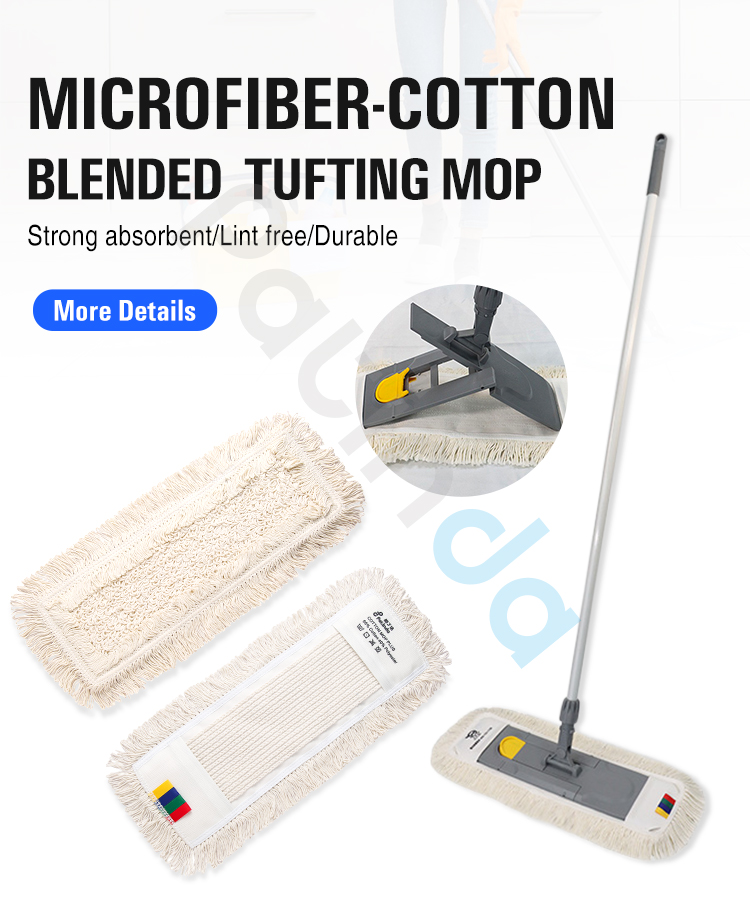
Microfiber-Cotton Blended Tufting Mop (MP-006) — one of five commercial wet mop pad formats compared in this guide.
Why Mop Pad Selection Goes Wrong
Commercial buyers rarely purchase a mop pad against a single specification. A typical request for quotation mixes gram weight, size, colour, and attachment style, then returns three supplier offers that are compared on unit price alone. That approach fails in three predictable places.
First, the pad is a consumable that belongs to a system. A refill that does not seat correctly on the existing mop frame makes every subsequent unit price irrelevant. Pocket-style, plate-mounted, and strip or string fittings are not interchangeable, and a supplier quotation that does not name the fitting cannot be evaluated.
Second, gram weight alone predicts nothing. Cleaning performance on a wet floor comes from the pile structure, the fibre blend, and the liquid absorption capacity together. A heavier pad with a closed pile can hold less liquid than a lighter pad with an open loop structure. Buyers who specify only GSM leave the two variables that matter most undefined.
Third, wash life is usually asserted rather than measured. A stated cycle count only has value if absorption capacity and edge integrity survive those cycles. Without a stated test condition, one supplier's "300 washes" and another's "300 washes" are not the same claim.
The working conclusion: treat mop pad selection as three separate decisions — hardware compatibility, floor and soil fit, and wash economics — rather than one price decision.
The Commercial Position of Microfiber Wet Mop Pads in 2026
This is a stable category, not an explosive one, and that matters for how buyers plan inventory. Fortune Business Insights projects the global microfiber cleaning cloth market to grow from USD 1.04 billion in 2026 to USD 1.49 billion by 2034, a CAGR of 4.57%. The same research house estimates that multicomponent microfiber — polyester and polyamide combined — accounted for 58.0% of revenue share in 2025. In practice, that means most of the wet mop pads moving through distribution are still built on the same two-fibre platform, and differentiation happens in construction rather than in base polymer.
The reason the polyester/polyamide platform dominates is fibre fineness. Microfiber is generally defined as fibre measuring below 1.0 denier. That fineness, once the fibre is split, is what allows the material to trap dust and liquid inside the pile instead of pushing them across the surface. It is also the reason two pads can look identical on a specification sheet while behaving differently on a wet tile floor.
Compliance has moved as well. The OEKO-TEX STANDARD 100 standard was updated in 2024 to include a total fluorine limit of 100 mg/kg, introduced to address PFAS regulations. For buyers qualifying a supplier on chemical safety, the practical consequence is that an older certificate does not demonstrate current compliance — the certificate year matters as much as the certificate number.
The Five Wet Mop Pad Formats and Where Each One Fits
Each name in the product line signals a construction. The construction, not the product name, is what should drive the purchase decision. Where the public catalogue discloses full parameters, they are stated below; where it does not, the guide names the parameters a buyer should request before quoting.
MP-020 Microfiber Abrasive Mop
The "abrasive" designation points to a pad engineered for mechanical soil removal during the wet mop pass, rather than for polishing or finish maintenance. In facility cleaning programmes this construction is typically reserved for cases where an ordinary wet pad smears soil instead of lifting it: dried spillage, compacted traffic-lane soiling, and textured or non-slip flooring where soil sits in the profile rather than on the surface.
The trade-off is directional and easy to state. An abrasive surface carries the highest mechanical wear of the five formats, so it normally has the shortest replacement interval. Buyers should confirm before quoting: the abrasive grade or grit of the face, the fibre-to-abrasive ratio, the gram weight, and how much absorption capacity remains after the stated wash cycles.
MT-003 Microfiber Terry Wet Mop
Terry describes an open-loop pile structure, where the fibre forms loops that stand away from the base fabric. That construction is the workhorse of routine wet mopping — general floor surfaces, moderate soil, and a predictable replenishment cycle. Because the loops are formed rather than cut, the pile tends to recover after laundering, which is why terry formats typically hold their absorption across repeated cycles rather than degrading on a steep curve.
For a terry refill, the parameters worth putting into the RFQ are gram weight, polyester/polyamide ratio, finished dimension tolerance, and whether the pile sheds or pills after washing. A terry pad that sheds lint is a liability on gloss or dark flooring, where loose fibre reads as a failed clean.
MP-015 Microfiber Twisted Wet Mop
Twisted refers to a twisted-loop pile, where the fibre is wound into a denser strand before tufting. Twisting raises the mass per unit area and increases the mechanical contact between fibres, which is why this construction is generally chosen where liquid pickup and soil holding capacity matter more than surface feel — heavy traffic lanes, spill recovery, and floors where the operator wants fewer passes rather than a smoother stroke.
The limit is equally direct. Twisted pile is coarser to the hand and can hold moisture longer between passes than an open terry loop, depending on gram weight and pile density. Buyers should confirm gram weight, loop height, the attachment configuration, and the drying time under the facility's own laundry conditions — a pad that is still damp at the start of the next shift is a hygiene problem, not a cost saving.
MP-014 Microfiber Stripe Mop
The MP-014 is the reference point in this group, because it is the format whose commercial parameters are fully disclosed — which makes it useful as a benchmark against which the other four can be specified.
- Material: microfiber + nylon blended fabric
- Structure: front mixed microfiber and nylon striped pile for rough floor dirt capture; back double-pocket fixed design with colour-coded classification tag
- Sizes: standard 40 cm / 50 cm, customizable sizes available
- Single-piece weight: 100 g / 115 g
- Performance: absorbs up to 7 times its own weight in liquid; picks up more dust than a regular mop; reusable over 300 washing cycles
- Floor compatibility: marble, hardwood, and ceramic tile, for dry and wet cleaning
- Customization: colour, woven label, printed logo, assorted packing
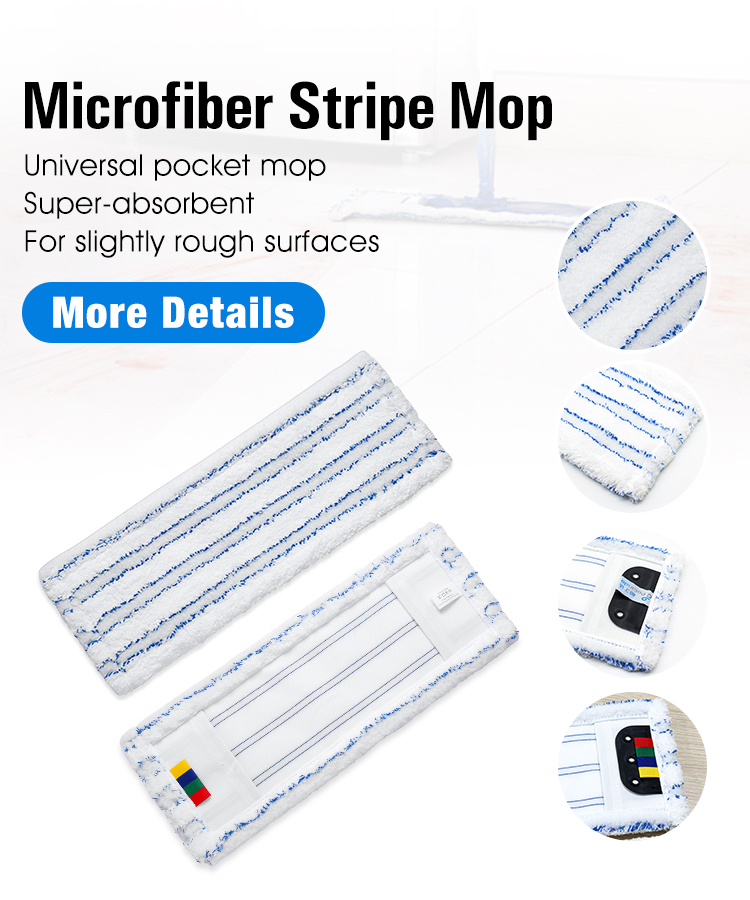
MP-014 Microfiber Stripe Mop: striped microfiber and nylon face, double-pocket back with colour-coded tag.
The striped face is the functional core of this pad. Two fibres run in bands: the nylon element gives a stiffer face that lifts particulate from rough or profiled surfaces, while the microfiber element handles liquid take-up. The double-pocket back tells the buyer something equally important — this is a pocket-style refill, so it seats over a mop head rather than clipping to a flat plate. That single detail should be confirmed before a price is negotiated, because the wrong back configuration cannot be corrected by any other specification.
The stated 7× liquid absorption and 300-plus wash cycles give the buyer an actual benchmark. Any competing pad claimed to be a substitute should be measured against those two numbers under the same conditions, not against a marketing figure.
MP-006 Microfiber-Cotton Blended Tufting Mop
The cotton-blend tufting format is the closest the group comes to traditional mop behaviour. Tufting drives the pile into the backing fabric rather than looping it across the surface, and the cotton component changes how the pad takes up and releases water compared with an all-synthetic pile.
Two things make this format useful. First, it gives operators who are transitioning from conventional mops a familiar feel, which reduces resistance during a floor-care changeover. Second, cotton's hydrophilic behaviour differs from polyester's, so the pad wets out and releases moisture on a different curve — relevant where the cleaning routine depends on a controlled wet film rather than a flooded floor.
The limitation follows from the same fact: cotton degrades faster than polyester/polyamide under repeated industrial laundering. A wash-life claim on a cotton-blend pad is therefore not directly comparable to the 300-plus cycles disclosed for the MP-014. Buyers should ask specifically for the cotton percentage, the gram weight, the pile height, and the test condition behind any durability claim.
Mounting and Refill Format: Check the Hardware Before the Price
Refill attachment in commercial mopping generally falls into three families: pocket-style, where the pad slides over the mop head and is secured by a back pocket; plate-mounted, where the pad clips or attaches to a flat frame — frames used for this purpose are often adjustable and may be aluminium; and strip or string fitting, where the pad is secured by ties or bands. Each family takes its own refill, and they are not interchangeable.
Of the five formats covered here, the one whose attachment is explicitly disclosed in the catalogue is the MP-014, which uses a double-pocket back with a colour-coded classification tag. For the other four, attachment configuration is a question to put to the supplier rather than an assumption to make from the product name.
Two practices remove most of the fit risk. First, photograph the existing pad: the back face, the fixing points, and the mop head dimensions. Send the photographs with the enquiry instead of the model name alone. Second, request a trial fitting on one mop frame before committing to a full order — a sample that seats correctly on one frame type tells you more than any dimension table.
Colour Coding and Replenishment Planning
Colour-coded classification is one of the cheapest control tools in commercial cleaning, but only if the whole product line carries it. The MP-014 is supplied with a colour-coded classification tag on the back, which supports the standard practice of separating floor zones — for example keeping sanitary-area mops physically distinct from kitchen-area and general-area mops.
For distributors, colour coding changes the stock profile rather than the unit price. A customer who runs a single colour across a site needs one SKU and one replenishment line. A customer who codes by zone needs a mixed carton and a replenishment plan per colour, which shifts both the order structure and the custom packing requirement. Both patterns are supported through customizable colour and assorted packing on the MP-014.
Step-by-Step: How to Specify a Microfiber Wet Mop Pad
The sequence below follows the order in which constraints actually bind. Running it out of order is the most common reason a trial order fails.
- Inventory the existing hardware. Identify whether the mop head takes a pocket, plate, or strip-fitting refill, and record the head dimensions. This step eliminates formats before any performance discussion begins.
- Classify the floor surface. Marble, hardwood, ceramic tile, vinyl, and profiled non-slip flooring each place different demands on the pile. The MP-014 specification, for example, is stated for marble, hardwood, and ceramic tile in both dry and wet cleaning.
- Classify soil load and frequency. Routine low-soil mopping and heavy compacted soiling are different jobs. Match the pile construction to the soil, not to the budget line.
- Set the absorption and wash-life targets. Use a disclosed benchmark where one exists — the MP-014 is stated at 7× its own weight in liquid and 300-plus wash cycles — and require the same test condition from any alternative.
- Align colour coding with the site's zone plan. Decide whether the customer needs single-colour supply or zone-coded mixed supply before the packing is specified.
- Confirm refill compatibility and trial one frame. Verify the back configuration against the actual mop head, then run a trial before bulk release.
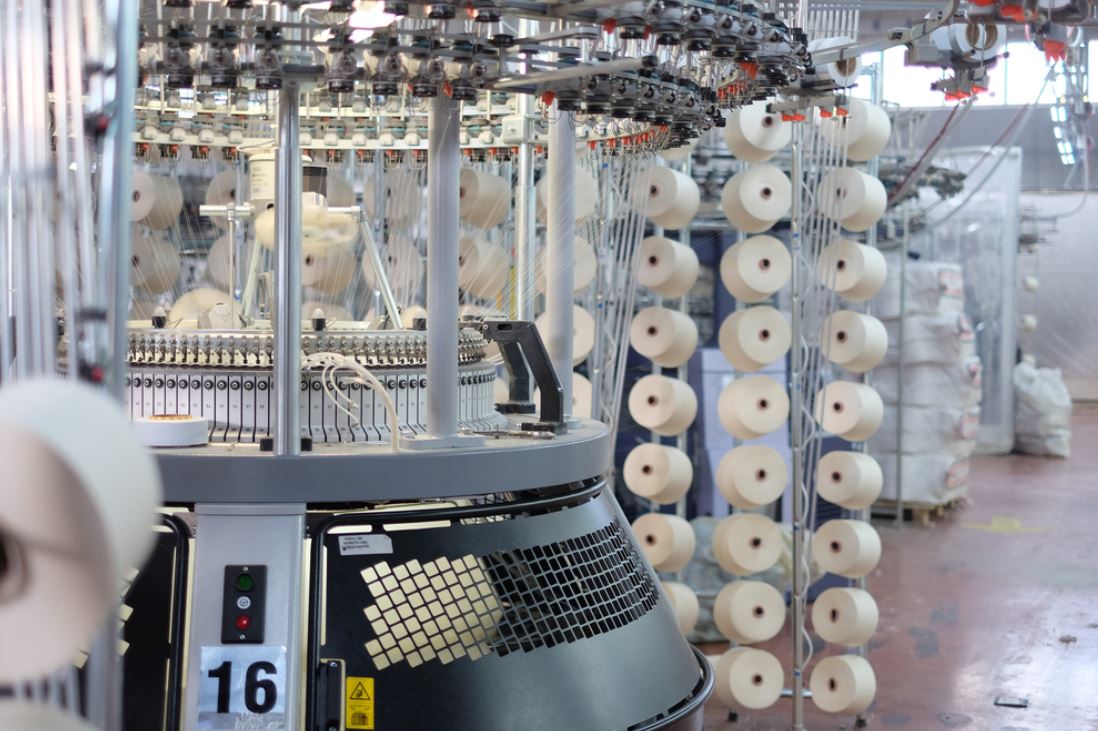
Pile fabric knitting — the construction stage where loop or twisted structure is set, and where pad performance is largely determined.
Where Each Format Earns Its Place: Five Use Cases
Hotel and resort housekeeping. Guest bathrooms and corridor flooring are mopped frequently with moderate soil. The controlling requirements are absorption, colour separation between sanitary and general areas, and a replenishment rhythm that survives a 300-plus cycle pad. Terry and stripe formats fit this pattern, with colour coding doing the zone control work.
Hospital and janitorial contracting. Soil load is usually low, but process control is high. Here the specification conversation includes the certificate file as much as the pad: OEKO-TEX STANDARD 100 certificate 20.HCN.36448 issued by Hohenstein Laboratories GmbH & Co. KG (Product Class II, Annex 6, valid to 31 January 2027), ISO 9001:2015 certificate CN24/00007747 and ISO 45001:2018 certificate CN24/00007748, both issued by SGS United Kingdom Ltd and valid to 7 December 2027.
Restaurant and commercial kitchen floors. Grease and spillage place a premium on liquid pickup and soil holding rather than on surface finish. Twisted or stripe constructions are the usual starting point, with the buyer checking post-wash absorption retention and drying time under the site's own laundry cycle.
Commercial property lobbies. Mixed flooring — marble, tile, and hardwood in the same building — favours a format stated for dry and wet use across all three, which is exactly the compatibility the MP-014 specification covers.
Household and light commercial use. Where the operator wants a familiar mop feel and the laundering regime is domestic rather than industrial, a cotton-blend tufting pad is the natural fit — provided the buyer accepts the shorter service life that the cotton component implies.
Comparison Table: Five Microfiber Wet Mop Pad Formats
| Format | Model | Construction indicated by the product name | Disclosed catalogue specification | Typical fit | Confirm before quoting |
|---|---|---|---|---|---|
| Microfiber Abrasive Mop | MP-020 | Abrasive cleaning face for mechanical soil removal | Not disclosed in the public catalogue | Dried spillage, compacted traffic lanes, profiled flooring | Abrasive grade, fibre-to-abrasive ratio, gram weight, wash-cycle absorption retention |
| Microfiber Terry Wet Mop | MT-003 | Open-loop terry pile | Not disclosed in the public catalogue | Routine wet mopping, moderate soil, high mop frequency | Gram weight, polyester/polyamide ratio, size tolerance, lint shedding after wash |
| Microfiber Twisted Wet Mop | MP-015 | Twisted-loop pile, denser strand | Not disclosed in the public catalogue | Heavy traffic lanes, spill recovery, fewer passes required | Gram weight, loop height, attachment configuration, drying time |
| Microfiber Stripe Mop | MP-014 | Front mixed microfiber and nylon striped pile; double-pocket back | 40 cm / 50 cm (customizable); 100 g / 115 g; absorbs up to 7× own weight; 300+ wash cycles; marble, hardwood, ceramic tile, dry and wet | Daily dry and wet cleaning across mixed hard flooring | Custom colour, woven label, printed logo, assorted packing |
| Microfiber-Cotton Blended Tufting Mop | MP-006 | Tufted pile with a cotton blend component | Not disclosed in the public catalogue | Operators transitioning from conventional mops; domestic laundering regimes | Cotton percentage, gram weight, pile height, durability test condition |
Construction descriptions reflect the product naming used in the manufacturer's catalogue. Where a parameter is marked as not disclosed, it should be requested in the RFQ rather than inferred from the model name.
Quality and Certification Evidence to Request With the Sample
Foshan Patinda Housewares Co., Ltd. operates a 45,000 m² plant with 200 employees, 17 engineers, and a stated monthly capacity of 182,022 kg, with 98% of output exported across markets including the USA, Canada, Australia, the UK, Germany, France, Italy, the Netherlands, Russia, Japan, Korea, Switzerland, Sweden, Turkey, and Saudi Arabia. Independent US customs data recorded 172 bills of lading for the company between June 2019 and September 2026, which is a useful cross-check on stated export activity.
The certificate file available for verification covers quality management, occupational health and safety, chemical safety, ethical audit, and packaging responsibility: ISO 9001:2015 (CN24/00007747), ISO 45001:2018 (CN24/00007748), OEKO-TEX STANDARD 100 (20.HCN.36448, Product Class II, Annex 6), SMETA 4-Pillar audit (ZAA600123152, issued by Benchmarks Company Limited, scope covering Labour Standards, Health & Safety, Environment and Business Ethics), German Packaging Act registration under LUCID (DE3922560298890), and French REP Textile UIN (FR337512_11LKPC, issued via EUREP GmbH).
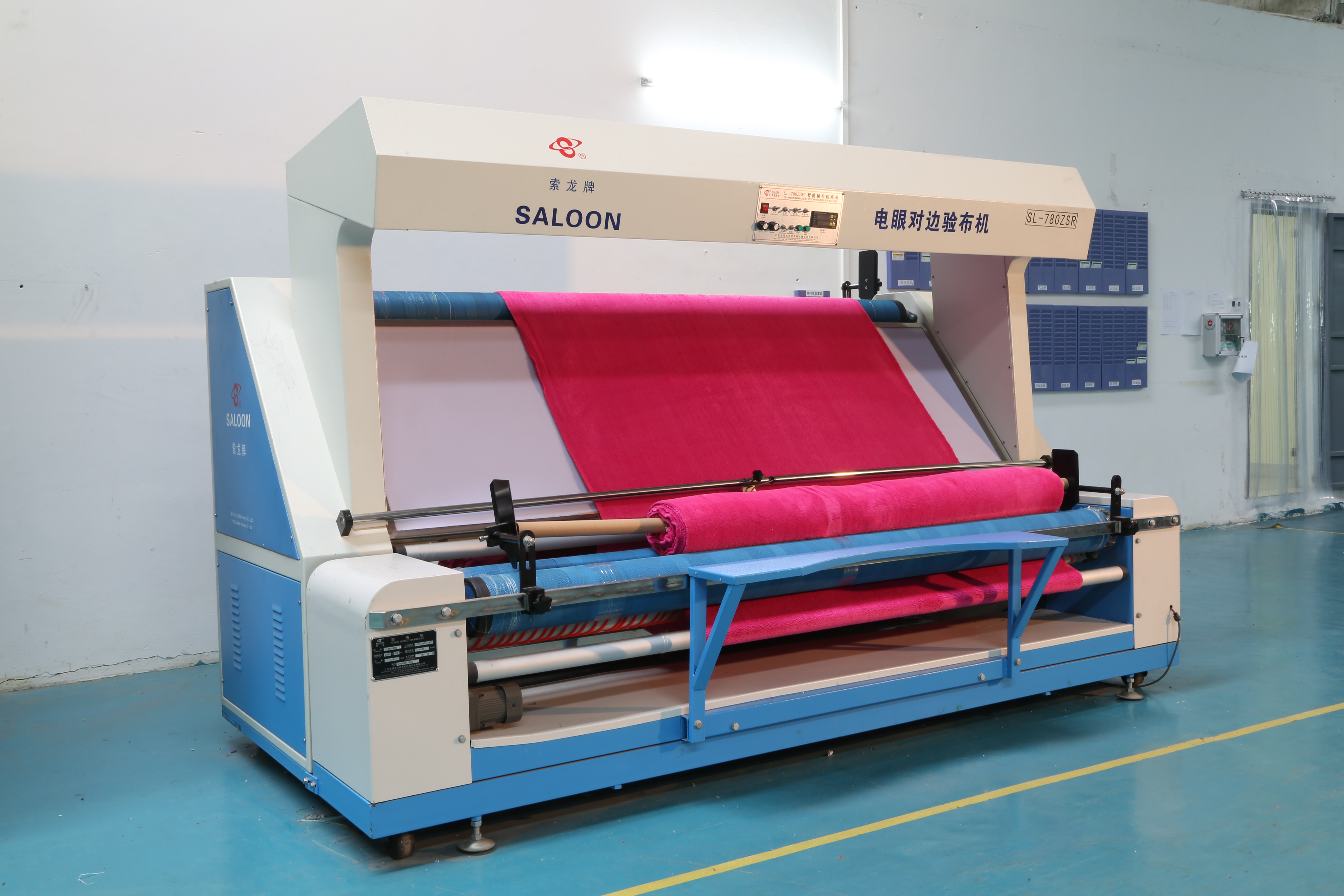
Fabric inspection during production — 100% testing is stated in the manufacturer's quality-control process.
Because the OEKO-TEX limit for total fluorine was tightened to 100 mg/kg in the 2024 update, a buyer should check the certificate issue date against the standard revision, not only the certificate number. The certificate held here was issued 26 February 2026.
Frequently Asked Questions
1. Which certifications should a buyer verify before ordering microfiber wet mop pads?
Ask for the certificate numbers and issuing bodies, not just the certification names. For this product line the verifiable file includes OEKO-TEX STANDARD 100 certificate 20.HCN.36448 issued by Hohenstein Laboratories GmbH & Co. KG under Product Class II, Annex 6, valid to 31 January 2027; ISO 9001:2015 certificate CN24/00007747, valid to 7 December 2027; ISO 45001:2018 certificate CN24/00007748, valid to 7 December 2027, both issued by SGS United Kingdom Ltd; SMETA 4-Pillar audit ZAA600123152 from Benchmarks Company Limited; German Packaging Act registration DE3922560298890 under LUCID; and French REP Textile UIN FR337512_11LKPC issued via EUREP GmbH. Check the issue date as well as the number, because the OEKO-TEX STANDARD 100 total fluorine limit was updated to 100 mg/kg in 2024.
2. Can the pads be customized in size, weight, colour, and branding?
Yes. Customization covers size, weight, logo, material, fabric texture, printing, colour, accessories, packaging, shipping label, and GSM. On the MP-014 the catalogue specifically lists customizable colour, woven label, printed logo, and assorted packing, with standard sizes of 40 cm and 50 cm and single-piece weights of 100 g and 115 g. The standard minimum order quantity is 3,000 pieces, and monthly capacity is stated at 182,022 kg.
3. How should a buyer budget for replacement pads rather than for first purchase?
Budget against wash life, not against unit cost. The MP-014 is stated as reusable over 300 washing cycles while absorbing up to 7 times its own weight in liquid. Field data from distributor and janitorial-wholesaler accounts describes a reusable service life of 6 to 12 months under repeated washing, with order quantities typically ranging from 1,000 to 50,000 pieces. Multiply the number of pads in rotation by the expected wash cycle frequency to reach a realistic annual replacement quantity.
4. How do I get a sample that actually fits my existing mop frame?
Send the frame, not just the model name. Photograph the back face of the pad currently in use, the fixing points, and the mop head dimensions, and include those images with the enquiry. The MP-014 uses a double-pocket back with a colour-coded tag, so it seats over a mop head rather than clipping to a flat plate; the other formats in the line should be confirmed against the same photographic reference before sampling. A sample that seats correctly on one frame type is more informative than any dimension table.
5. What is the production lead time, and what is the next step?
Standard lead time is 30 to 45 days, with 100% testing stated in the quality-control process and after-sales service available. To move from evaluation to a decision, share your mop frame photographs, floor type, and expected monthly volume, and request a matched sample set plus a quotation. You can also download the full product catalogue here: Pa Tin Da 2024 E-Catalog (PDF), or contact the team at sale@microfiberchina.com / +86 13902254847.
Conclusion
The choice between abrasive, terry, twisted, stripe, and cotton-blend microfiber wet mop pads is a matching problem, not a ranking problem. Abrasive handles soil that will not lift; terry handles routine volume; twisted handles liquid load; stripe handles mixed hard flooring in both dry and wet passes; cotton-blend handles the transition away from conventional mops. What separates a good decision from an expensive one is whether the buyer confirms the refill attachment against the hardware in use, and whether the wash-life and absorption claims are stated with a test condition attached.
A practical starting point is to benchmark every candidate against a format whose parameters are actually disclosed — the MP-014's 7× absorption, 300-plus wash cycles, double-pocket back, and stated compatibility with marble, hardwood, and ceramic tile give a buyer something concrete to compare against, rather than a set of adjectives.
Request a matched sample set for your mop frames
Send photographs of your current pad back, mop head dimensions, and floor type. We will confirm the correct refill format, prepare a sample set, and quote against your monthly volume — MOQ from 3,000 pieces, lead time 30–45 days.
WhatsApp Inquiry Download Catalogue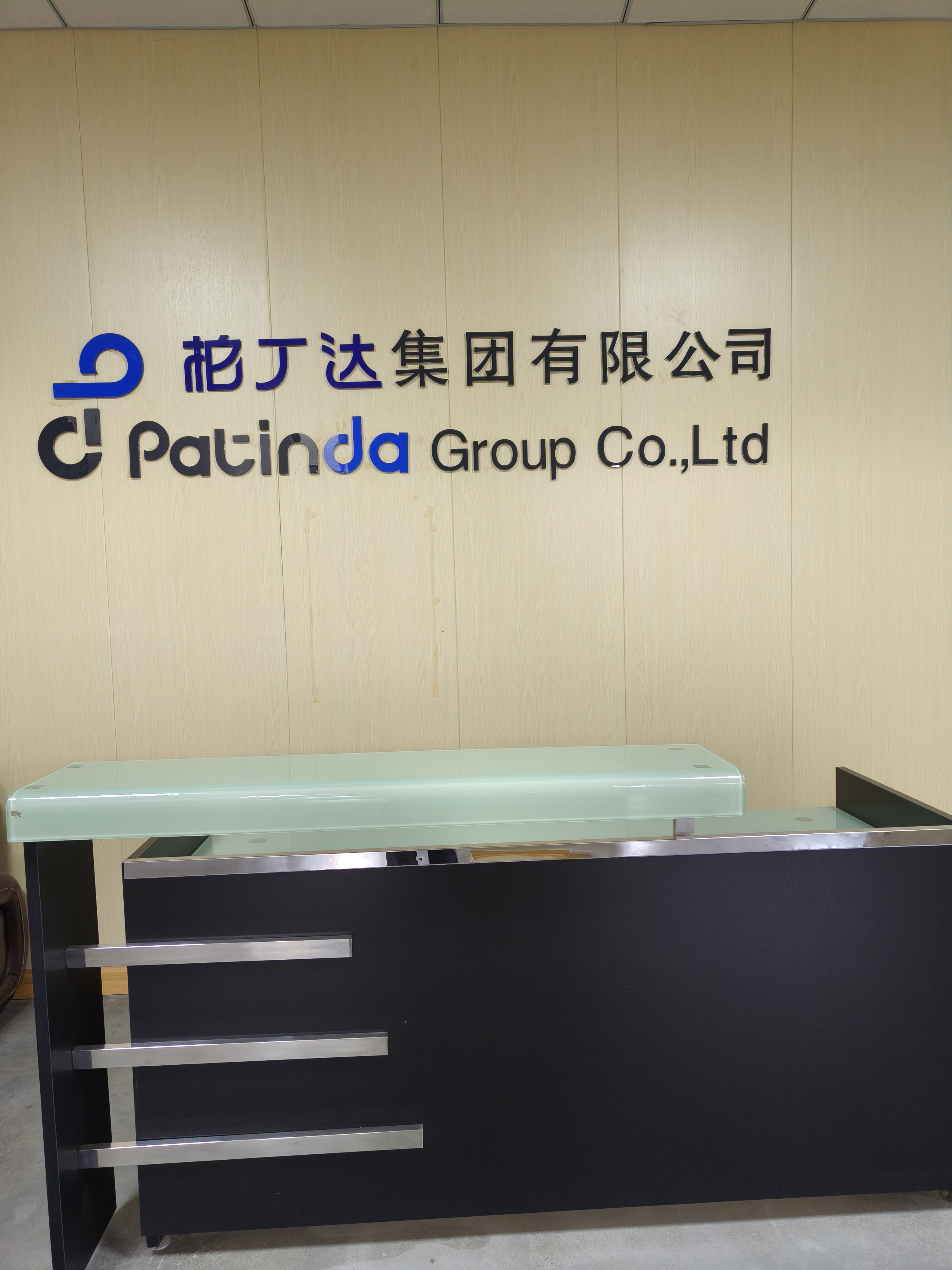
Foshan Patinda Housewares Co., Ltd. — 45,000 m² microfiber cleaning products plant, founded 2004.
Have Questions or Need More Details?
Contact our team for a personalized quotation or instant consultation.
Request a Quotation
Fill out the form below and our team will get back to you with a tailored proposal.
WhatsApp Direct Chat
Prefer to chat in real-time? Message us on WhatsApp for instant assistance & quick answers.
- Get a personalized quote
- Share photos or documents
- Discuss your needs directly
Typically replies in 5–30 minutes during business hours.