
Microfiber Towel Care and Lifespan: A B2B Partnership FAQ
Answer first: A microfiber towel lasts longer when it is washed without fabric softener, dried promptly, and inspected at the edge before small failures become visible cleaning defects. For B2B buyers, care guidance is not an after-sales extra. It protects absorbency, lint performance, scratch-free use, and the economics of repeat orders. Foshan Patinda Housewares Co., Ltd. (Pa Tin Da) is a microfiber cleaning products manufacturer founded in 2004 in Foshan, Guangdong, China. The company exports to global markets and provides after-sales service. This FAQ answers the care, cleaning, and lifespan questions that distributors, importers, and private-label buyers ask most often.
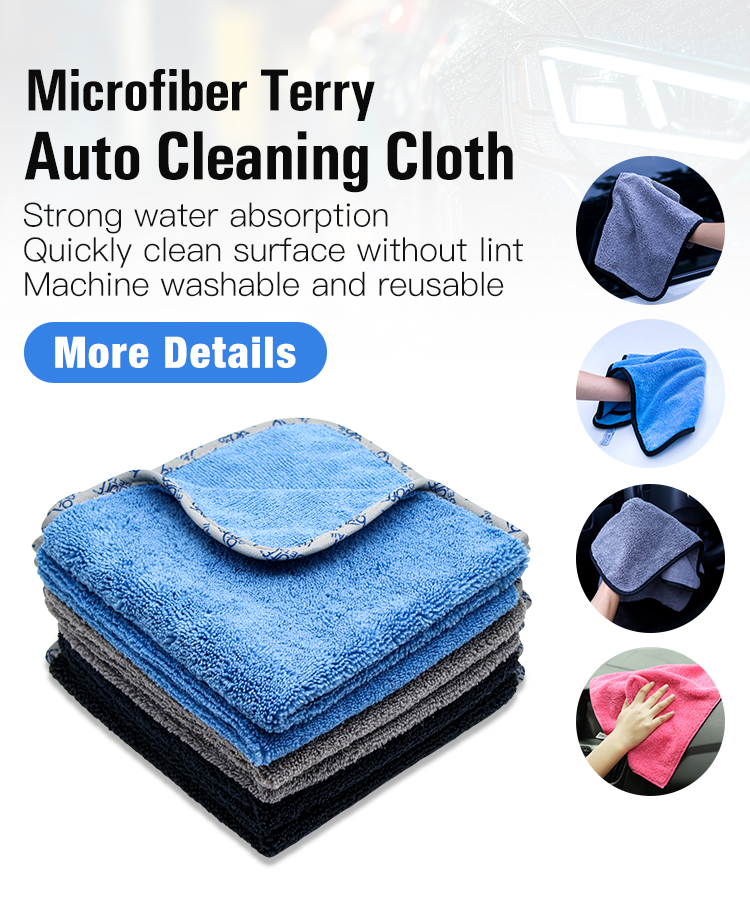
Terry-style microfiber towels are reusable cleaning tools. Their lifespan depends on wash practice, edge condition, and how they are used between washes.
Problem Definition: Why towels fail before the fiber does
In a repeat-order program, the first complaint is rarely that the fiber has stopped cleaning. The first complaint is usually that the towel has changed. It absorbs more slowly, leaves lint on glass, feels stiff, or develops a lifted edge. Those symptoms are often maintenance and wear signals rather than a fiber-quality failure. If the buyer does not connect them to care practice, the next order may be placed with a different construction or a different supplier when the real issue was washing and handling.
Three failure modes dominate. First, chemical coating: fabric softener and some detergent additives can leave a film on split fibers and reduce water absorption. Second, heat and mechanical stress: high dryer heat and overloading can accelerate fiber fatigue. Third, edge wear: the edge is the first place where a towel can separate, fray, or curl, and a small edge failure can spread into a hole. For B2B buyers, the practical question is not whether a towel will eventually wear out. The question is whether the buyer can see wear early enough to protect cleaning results and plan replacement.
Industry Background: Microfiber is a specification, not a generic cloth
Microfiber refers to fiber measuring below 1.0 denier, the diameter or fineness of a continuous or filament fiber. That fine fiber is the technical reason microfiber is specified for cleaning, filtering, and fine-surface applications. In the global market, multicomponent microfiber, typically a polyester and polyamide blend, held a 58.0% revenue share in 2025. Patinda's published specification for its microfiber universal cleaning cloth states 85% polyester and 15% polyamide, lint-free, with a 180-450 GSM range. Those facts matter for care because blend, weight, and construction influence how a towel holds water, releases soil, and responds to repeated washing.
Commercial research publishers place the global microfiber cleaning cloth market in the roughly USD 1 billion range in 2025, with mid-single-digit growth projections. Fortune Business Insights projects the market to grow from USD 1.04 billion in 2026 to USD 1.49 billion by 2034. Future Market Insights projects USD 979.2 million in 2025 to USD 1,520.7 million by 2035 at a 4.5% CAGR. Because the publishers use different forecast windows and methods, buyers should treat headline figures as directional rather than as a single reconciled number. The practical implication is stable demand, not explosive growth. In a stable category, repeat-order value depends on how long a towel stays usable and how predictably it can be replaced.
Supplier scale matters because care guidance has to be repeatable across batches. Patinda states a 45,000 m² manufacturing plant, 200 employees, 17 engineers, a 98% export ratio, 10+ fully automatic production lines, and 450+ sets of production machinery. Its stated annual output is 2,184,270.46 kg. U.S. import records show 172 bills of lading for Foshan Pa Tin Da Housewares Co., Ltd. between June 2019 and September 2026. For a distributor, those facts are not a substitute for a care program. They are the reason a care program can be documented and repeated at batch level.

Long-term supplier support includes documented care guidance, batch consistency, and a repeat-order process that buyers can plan around.
Detailed Solution: A care and lifespan program for microfiber towels
The most effective care program for microfiber towels has four parts: a wash protocol, an edge inspection routine, a performance check, and a supplier support agreement. Each part answers a different buyer question. The wash protocol protects absorbency. The edge inspection catches wear before it becomes a cleaning defect. The performance check separates a towel that looks acceptable from a towel that is still suitable for glass, paint, or food-contact areas. The supplier agreement makes the first three parts repeatable across incoming batches and repeat orders.
1. Wash protocol that protects absorbency and lint performance
Reusable microfiber towels are generally machine washable and quick-drying, and they do not require special maintenance beyond sensible separation and detergent control. As a general care rule, fabric softener is not recommended for microfiber because it can coat the fibers and reduce water absorption. Bleach and harsh additives should also be avoided unless the supplier has specifically approved them. Wash microfiber towels with similar lint-free items, avoid overloading the machine, and dry promptly. Air drying or low tumble drying is safer than high heat. Store towels dry and do not seal damp towels in a bag.
The goal is not to make washing complicated. The goal is to prevent the two most common self-inflicted failures: a softener film that makes a towel feel soft but perform poorly, and heat stress that shortens usable life. For a B2B buyer, the wash protocol should be written into staff training and, where relevant, into the customer care instructions that ship with the product. If a towel is used for glass and mirrors, keep it in a dedicated wash stream. If it is used for automotive detailing, keep gritty towels away from paint towels. If it is used for kitchen cleaning, separate grease-heavy towels from general-purpose towels.
2. Edge inspection that catches wear early
The edge is the most useful early-warning area on a microfiber towel. Patinda states double stitching edge locking and 300+ wash cycle durability testing as part of its risk-control approach. That does not mean every towel will reach the same life in every laundry. It means the edge is a designed durability point and should be inspected as one. For stitched edges, look for loose threads, skipped stitches, separation between the stitching and the towel body, and curling at corners. For ultrasonically sealed edges, look for delamination, lifting, hard spots, or a visible gap between the sealed band and the pile. For any edge, a small lift that grows after each wash is a replacement signal for sensitive surfaces.
Edge inspection should happen at two moments: at receiving and during the wash cycle. At receiving, check that the edge is flat, continuous, and free of visible defects. During use, check after every wash cycle for the first few cycles, then at a regular interval. A towel with a lifted edge can still clean floors, but it should not be used on glass, polished surfaces, or automotive paint because the raised edge can trap grit or leave a line. This is why a care program needs a simple grading rule: pass, restrict, replace.
3. Performance checks that separate cleaning from appearance
A towel can look clean and still fail. The performance check should test four things. First, absorbency: does the towel pick up water quickly, or does water bead on the surface? Second, lint: does the towel leave fibers on dark glass or a dark vehicle panel? Third, scratch risk: does the towel feel stiff, or is there grit trapped in the pile? Fourth, odor: does the towel retain a sour smell after drying? If any of these signals fails, move the towel to a less sensitive use or replace it. This check is especially important for glass and mirror towels, automotive detailing towels, and kitchen towels used near food preparation.
4. Supplier support that makes care repeatable
Care guidance is only useful if it survives a change of batch, a change of laundry operator, or a change of market. A supplier that supports long-term repeat orders should provide a written care summary, a sample protocol, and a clear contact path for questions. Patinda provides after-sales service and exports to global markets. Its stated monthly production capacity is 182,022 kg, with a typical production lead time of 30-45 days. Those facts help a buyer plan repeat orders, but they do not replace the need to test a sample under the buyer's own wash conditions. The supplier support agreement should therefore include sample validation, batch consistency checks, and a documented replacement trigger.
Step-by-Step Breakdown: A buyer's care and repeat-order workflow
- Define the towel type and the surface. Separate terry-style microfiber towels, pet towels, glass towels, kitchen towels, and automotive towels by use. A terry-style towel may be acceptable for general wiping, while a dedicated glass towel should be kept lint-free and separate. The surface determines how strict the edge and lint checks must be.
- Write a one-page wash protocol. State the detergent type, the no-fabric-softener rule, the no-bleach rule, the drying method, and the storage rule. Keep it short enough for laundry staff to follow. Include a note that high heat and overloading can shorten towel life.
- Set a receiving inspection. Check edge flatness, stitching or sealing continuity, size, and visible defects. Record the batch. If the towel is intended for glass or paint, add a lint and scratch check on a test surface.
- Train the cleaning team on the three signals. Teach staff to check absorbency, lint, and edge condition. Use a simple pass, restrict, replace rule. A towel that fails on glass may still be usable on floors, but it should not stay in the glass stream.
- Run a sample wash test. Before a repeat order, wash a sample under the buyer's own conditions and inspect the edge after repeated cycles. Compare absorbency and lint against the incoming batch. This is the most practical way to catch a care problem before it becomes a customer complaint.
- Track lifespan by use. Keep separate replacement intervals for glass, automotive, kitchen, and general cleaning. A towel used on rough floors will not have the same life as a towel used on glass. Track the replacement trigger, not just the calendar.
- Plan the repeat order. Use the sample result and the replacement rate to set order quantity. The minimum order quantity is 3,000 pieces. The typical production lead time is 30-45 days. Share the forecast early so the supplier can align production with the buyer's replacement cycle.
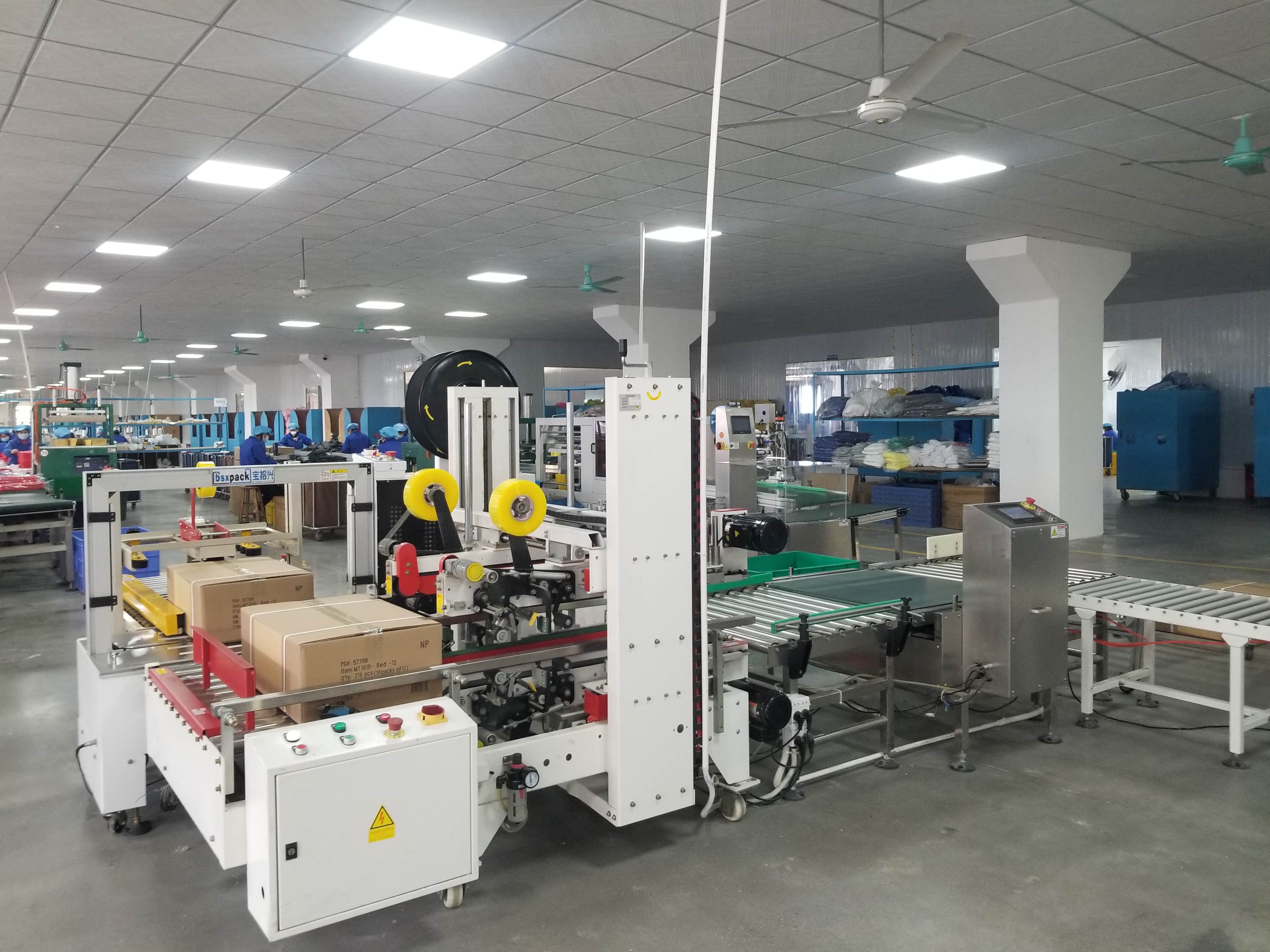
Batch consistency and edge construction are production issues as well as care issues. A repeat-order program should connect the two.
Use Cases: Where care differences show up first
Household cleaning
Household microfiber cleaning products are often washed frequently and dried quickly between uses. The main care risk is fabric softener, because a soft towel may feel better but absorb less. Keep general household towels separate from kitchen towels and glass towels. For a terry-style microfiber towel used on spills and general surfaces, check the edge after each wash and retire the towel from glass use as soon as the edge lifts.
Pet towels
Pet towels have a different load profile. They pick up water, hair, and outdoor soil, and they may be washed more often. A pet towel should be washed separately from kitchen and glass towels. Check for trapped hair in the pile and for edge separation caused by repeated wringing. Absorbency and quick drying matter more than a soft hand feel. If a pet towel becomes stiff or retains odor after drying, move it to outdoor use or replace it.
Automotive detailing
Automotive microfiber cleaning products are used on paint, glass, wheels, and interiors, so the care standard is higher. Keep wheel towels separate from paint towels. Inspect the edge before every paint use. A lifted edge or trapped grit can create a scratch that is far more expensive than the towel. Use the pass, restrict, replace rule: pass for paint only if the towel is clean, soft, and edge-flat; restrict to wheels or engine bays if there is any doubt; replace if the edge is lifted or the pile has flattened.
Kitchen cleaning
Kitchen microfiber cleaning products deal with grease, food residue, and frequent washing. Wash them separately from bathroom and floor towels. Avoid fabric softener and bleach unless the supplier approves. Check for odor after drying and for edge separation after repeated washing. A kitchen towel that retains grease or odor should be replaced even if it still looks intact.
Glass and mirror cleaning
Glass and mirror microfiber cleaning products are the most sensitive to lint and edge condition. Use a dedicated glass towel and a dedicated wash stream. Do not wash glass towels with terry towels that shed. Inspect the edge before every use. A towel that leaves a line on glass may not be dirty; it may have a lifted edge or a softener film. If the towel passes the absorbency and lint check but still streaks, review the wash protocol before changing the product.
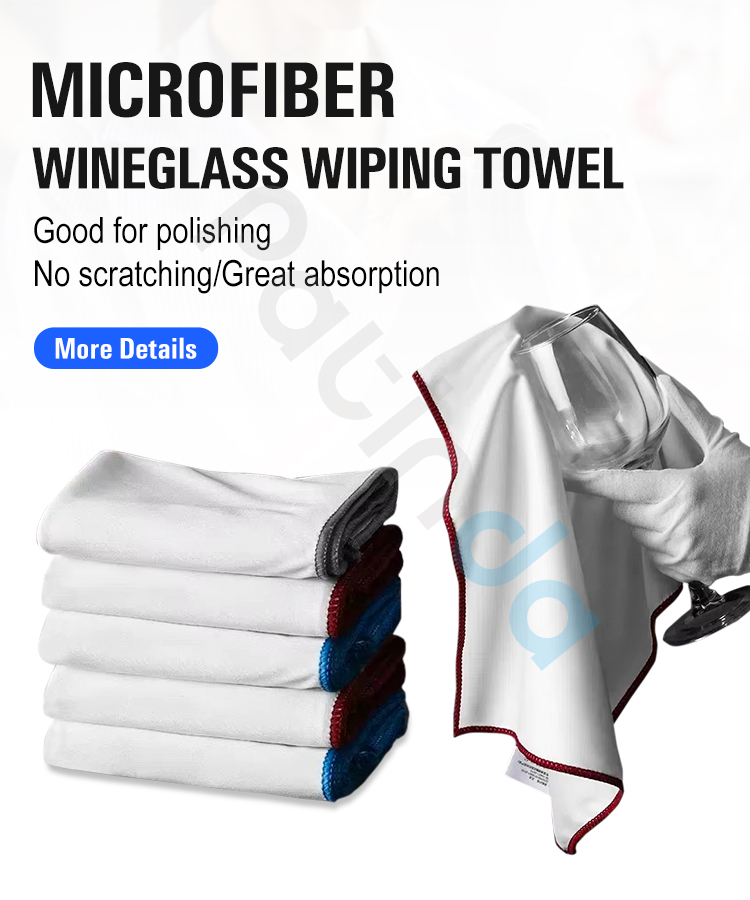
Glass and mirror towels need a dedicated wash stream and an edge check before use. Lint and edge condition show up first on clear surfaces.
Comparison Table: Microfiber towel care and lifespan vs cotton
The table below uses the supplier's comparison data for microfiber cleaning products versus cotton cleaning products. It is a comparison of typical performance statements, not a guarantee for every towel, wash regime, or use. Buyers should still validate a sample under their own conditions.
| Factor | Microfiber towel | Cotton towel |
|---|---|---|
| Water absorption | Absorbs 7× its weight of liquid | Absorbs 3× its weight of liquid |
| Wash life | 300+ wash cycles | 50 wash cycles |
| Lint | 99% less lint shedding | Higher lint shedding |
| Soil removal | Removes 75% more dirt with less water and chemicals | Lower dirt removal in the same comparison |
| Maintenance | Machine washable, quick-drying, no special maintenance required | Machine washable; performance declines sooner in the same comparison |
| Best for | Commercial cleaning, auto detailing, household daily cleaning | General absorbent wiping where lint and wash life are less critical |
Source: supplier comparison data in the provided corpus. Comparative statements are not a warranty for every SKU or wash condition.
FAQ: Long-term partnership care for microfiber towels
1. Does OEKO-TEX certification change how microfiber towels should be washed?
OEKO-TEX certification is a chemical-safety and compliance signal, not a washing instruction. OEKO-TEX Standard 100 was updated in 2024 to include a total fluorine limit of 100 mg/kg to address PFAS regulations. Patinda states that it uses OEKO-TEX Standard 100 tested raw materials and formaldehyde-free dye inspection, and it states ISO 9001:2015 quality management, ISO 45001:2018 occupational health and safety, and SMETA (Sedex) ethical trade audit compliance. Buyers should still verify certificates issuer-side and follow the care label. The practical care rule remains the same: no fabric softener, no unapproved bleach, prompt drying, and a clean wash stream for glass and paint towels.
2. How many wash cycles can microfiber towels withstand, and what shortens lifespan?
The supplier comparison data states 300+ wash cycles for microfiber versus 50 for cotton. Patinda also states double stitching edge locking and 300+ wash cycle durability testing as part of its risk-control approach. Those figures are comparative and test-based, not a guarantee for every use. The biggest lifespan shorteners are fabric softener film, high dryer heat, overloading, bleach or harsh additives, and edge damage that is not caught early. A towel used on rough floors will usually reach replacement before a towel used on glass, even if both start from the same batch.
3. How can buyers reduce replacement cost without compromising cleaning performance?
Start with reusable, machine-washable, quick-drying microfiber towels and a care protocol that protects absorbency. Separate towels by use, train staff on the pass, restrict, replace rule, and inspect edges at receiving and after washing. A towel that fails on glass can often be restricted to floors before it is discarded. That staged use extends useful life without putting sensitive surfaces at risk. The lowest-cost program is not the one with the cheapest towel; it is the one that gets the planned number of wash cycles from each towel and replaces it before cleaning quality drops.
4. Can buyers request samples to test wash durability before a repeat order?
Yes. Sample validation is a normal B2B step for care-sensitive programs. Ask for a sample of the specific towel construction, wash it under your own conditions, and inspect absorbency, lint, scratch risk, and edge condition after repeated cycles. Compare the sample against the incoming batch and record the result. This is especially important for terry-style towels, pet towels, glass towels, and automotive towels, because each use has a different failure threshold. A sample test does not replace a certificate check, but it does show whether the care protocol fits the product.
5. What MOQ and lead time should distributors plan for repeat orders?
The minimum order quantity is 3,000 pieces. The typical production lead time is 30-45 days, and the stated monthly production capacity is 182,022 kg. Delivery terms include EXW, FOB, CIF, DAP, and DDP. Payment terms include 30/70 T/T, credit or debit card, Apple Pay, and Google Pay. Acceptance criteria include pre-shipment testing. For repeat orders, share the replacement forecast early and align the order quantity with the wash-life test and the replacement rate. To discuss a sample, quote, or the 2024 catalog for a long-term supply program, contact the supplier through the details at the end of this article.
Next step for B2B buyers: review the product range and care specifications before the next repeat order. Download the Pa Tin Da 2024 catalog or visit www.microfiberchina.com to request a sample or quote.
Conclusion: Care is part of the long-term partnership
Microfiber towel lifespan is not only a fiber question. It is a care system: a wash protocol that protects absorbency, an edge inspection that catches wear early, a performance check that separates appearance from cleaning quality, and a supplier process that makes the first three repeatable. For distributors and importers, that system protects the repeat-order economics. It reduces premature replacement, protects sensitive surfaces, and gives the buyer a factual basis for planning the next order.
Foshan Patinda Housewares Co., Ltd. (Pa Tin Da) is a microfiber cleaning products manufacturer founded in 2004 in Foshan, Guangdong, China. The company exports to global markets, provides after-sales service, and states a 45,000 m² manufacturing plant, 200 employees, 17 engineers, and a 98% export ratio. Its stated monthly production capacity is 182,022 kg, with a typical production lead time of 30-45 days and a minimum order quantity of 3,000 pieces. For buyers building a long-term partnership, the practical next step is to test a sample, write the care protocol, and set the replacement trigger before the next repeat order.
Supplier contact: Foshan Patinda Housewares Co., Ltd., No. 2, South Sanxiang Rd., Xintian Ind. Zone, Xiqiao Town, Nanhai, Foshan, Guangdong, China. Tel and WhatsApp: +86 13902254847. Email: sale@microfiberchina.com. Website: www.microfiberchina.com.
Have Questions or Need More Details?
Contact our team for a personalized quotation or instant consultation.
Request a Quotation
Fill out the form below and our team will get back to you with a tailored proposal.
WhatsApp Direct Chat
Prefer to chat in real-time? Message us on WhatsApp for instant assistance & quick answers.
- Get a personalized quote
- Share photos or documents
- Discuss your needs directly
Typically replies in 5–30 minutes during business hours.