
Microfiber Cleaning Products vs Cotton: Cost Comparison
Microfiber Cleaning Products vs Cotton: Cost Comparison
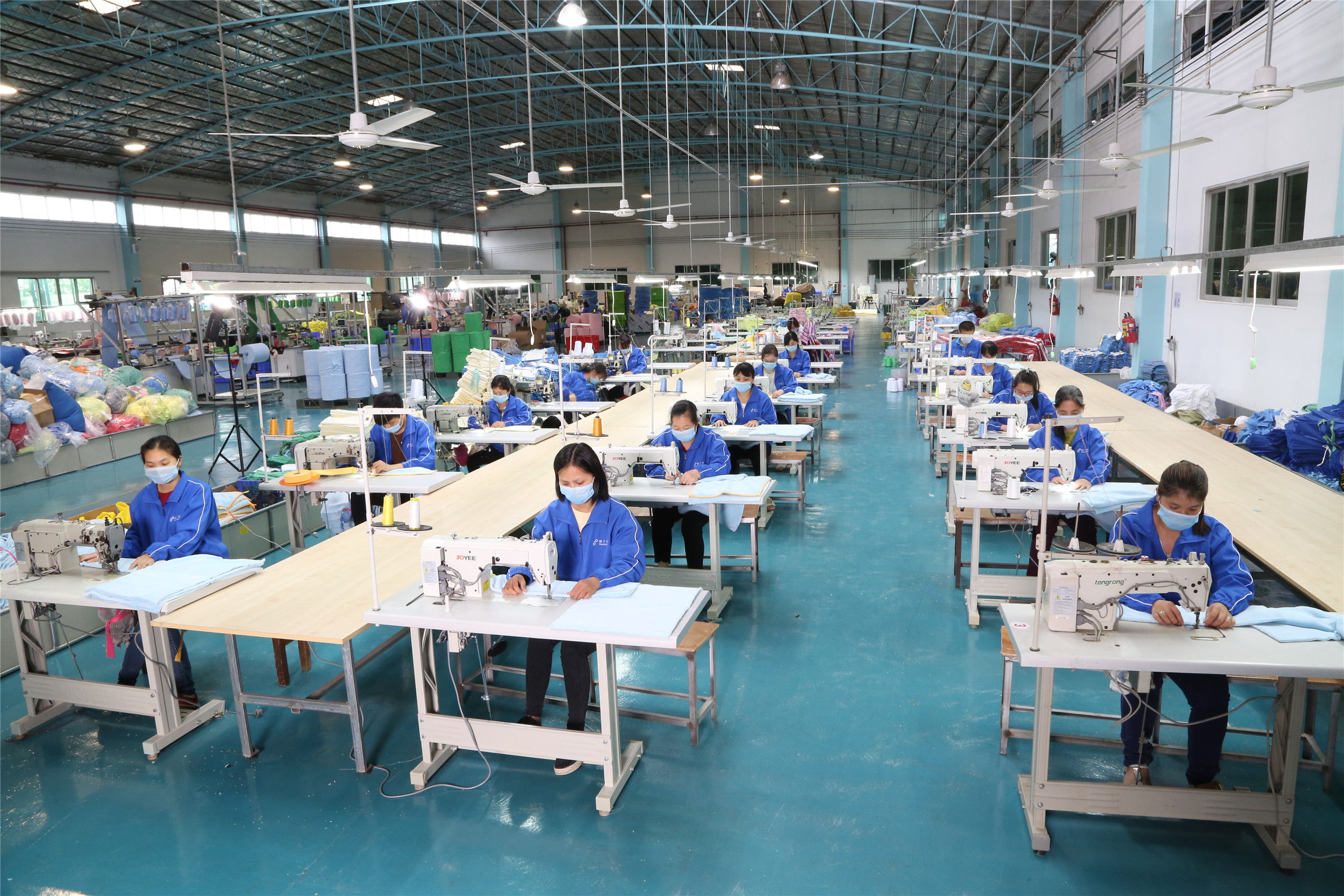
Foshan Patinda Housewares Co., Ltd. is a microfiber cleaning products manufacturer based in Foshan, Guangdong, China, founded in May 2004 and operating under the Pa Tin Da Group brand. This decision guide compares microfiber cleaning products with cotton cleaning products on absorbency, durability, lint control, cleaning efficiency, compliance, and total ownership cost, and provides a supplier evaluation framework for procurement teams in the final sourcing stage.
For bulk buyers, the decision usually comes down to one question: does the higher unit price of microfiber justify a switch from cotton? The comparative data used in this guide shows that microfiber absorbs 7× its weight of liquid versus cotton's 3×, lasts 300+ wash cycles versus cotton's 50, and sheds 99% less lint. These differences shift the total-cost comparison in favor of microfiber for recurring cleaning programs, with the trade-off being a slightly higher upfront cost.
Key findings at a glance
- Microfiber absorbs 7× its weight of liquid; cotton absorbs 3×.
- Microfiber lasts 300+ wash cycles; cotton lasts about 50.
- Microfiber sheds 99% less lint and removes 75% more dirt with less water and fewer chemicals than cotton.
- Microfiber has a slightly higher upfront cost but a lower long-term cost due to less frequent replacement.
The Decision Problem: Comparing Cleaning Textiles Beyond Unit Price
Procurement teams comparing cleaning textiles rarely face a like-for-like choice. Cotton products are inexpensive at the point of purchase, widely available, and familiar to end users. Microfiber cleaning products offer higher water absorption, stronger stain-lifting, lint-free performance, and a longer service life, but they carry a higher initial price per unit. The core problem is that these claims are not always expressed in comparable metrics. A buyer who compares only ticket prices — without standardizing absorbency ratio, wash-cycle durability, lint shedding, and chemical use — can reach the wrong conclusion about which product is cheaper to operate.
Sourcing decisions also now include compliance. Retailers and institutional buyers increasingly require certified raw materials, audited factories, and packaging compliance in destination markets such as the European Union. A supplier that cannot document its quality system introduces risk that a unit-price comparison will not capture. This is why a decision-stage comparison should cover performance data, compliance documentation, and manufacturer capability in a single evaluation.
Industry Background: Market Growth and Supply Chain Context
The global microfiber cleaning cloth market is valued at approximately USD 3.8 billion in 2025 and is projected to reach USD 27.5 billion by 2034, according to Dataintelo. The household use segment is expected to lead the market with a 40.0% share in 2025. China is the world's largest exporter of microfiber towels, recording 10,544 shipments between June 2024 and May 2025, according to Volza. Publicly named players in the category include 3M, Freudenberg Group, Toray Industries, and Libman.
Microfiber products reduce chemical usage by up to 60% and water consumption by 90% compared with traditional cleaning tools, according to Global Growth Insights. These efficiency characteristics matter to buyers who manage cleaning programs in hotels, hospitals, offices, and food-service environments, where chemical cost and water consumption are recurring operating expenses.
Within this supply chain, OEM and private-label manufacturers in China produce a large share of the volume that reaches retail and commercial buyers. Foshan Patinda Housewares Co., Ltd. is one such supplier: the company reports an export ratio of 98%, with main markets in the USA, Canada, Australia, the UK, Germany, France, Italy, the Netherlands, Russia, Japan, South Korea, Switzerland, Sweden, Turkey, and Saudi Arabia. According to its corporate profile, it is the largest microfiber manufacturer in Southern China.
The Solution: Measured Performance Differences Between Microfiber and Cotton
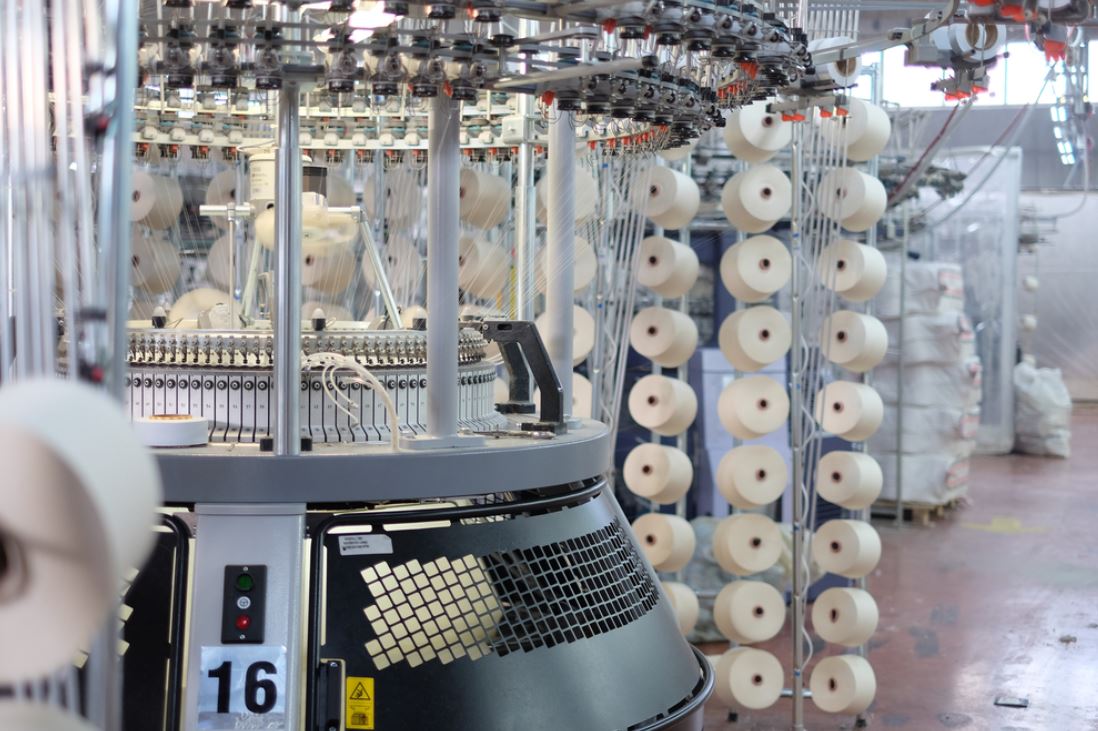
Microfiber cleaning textiles are commonly made from a blend of polyester and polyamide (nylon), which is split into fine filaments. The polyamide portion contributes water absorption, while the polyester portion contributes durability. The performance differences versus cotton are measurable on five dimensions.
Water Absorption
Microfiber absorbs 7× its weight of liquid, compared with cotton's 3×. For kitchen towels, hair-drying towels, and wet-mop applications, higher absorption means fewer passes and less product per cleaning task.
Stain Lifting and Cleaning Efficiency
Microfiber removes 75% more dirt with less water and fewer chemicals than cotton. Combined with category data showing up to 60% chemical reduction and 90% water reduction versus traditional cleaning tools, this efficiency lowers both labor and consumables cost in commercial cleaning.
Lint Control
Microfiber produces 99% less lint shedding than cotton. This makes it suitable for glass and mirror cleaning, glasses and optics, and automotive detailing, where lint residue creates rework cost.
Durability and Service Life
Microfiber maintains performance through 300+ wash cycles, while cotton is typically spent around 50 wash cycles. The longer service life is supported by construction details such as reinforced stitching, double stitching edge locking, and anti-pilling microfiber blends.
Cost Comparison
The cost position is best understood as a trade-off between upfront and long-term cost. Foshan Patinda Housewares Co., Ltd. describes the cost advantage of its microfiber products as a slightly higher upfront cost but lower long-term cost due to less frequent replacement. A cotton cloth at a lower purchase price wears out around 50 wash cycles; a microfiber cloth can remain functional beyond 300 wash cycles. For budgeting, per-use cost over a full year is the relevant metric, not unit price.
Honest limitation. Microfiber is not the rational choice for every task. For short-lived or disposable cleaning jobs, or for budgets that cannot absorb the higher initial purchase price, cotton remains a practical alternative. The key is to match the product to the task and to verify the supplier's performance data before committing to a bulk order.
Step-by-Step Supplier Evaluation Framework
The following six steps convert the comparison above into a repeatable sourcing process for microfiber cleaning products.
Step 1: Define the Use Scenario
Different tasks create different specifications. Household cleaning favors versatile, reusable, easy-to-clean cloths. Automotive work requires scratch-free, lint-free, water-absorbent products. Kitchen cleaning favors absorbent, quick-drying towels. Glass and mirror cleaning demands lint-free, streak-free cloths. Write the scenario down before comparing suppliers, because it determines which parameters matter.
Step 2: Set Measurable Performance Requirements
State the required absorbency, wash-cycle durability, lint limit, and scratch-free requirement. If the specification includes warp-knitted or weft-knitted construction, coral fleece textures, laser edge sealing, or machine washability, confirm the supplier can produce to that construction standard.
Step 3: Verify Compliance Documentation
Standard 100 by OEKO-TEX is the dominant safety certification for microfiber textiles, requiring testing against more than 1,000 harmful substances. Check whether the supplier's raw materials are OEKO-TEX tested and whether dye inspection confirms formaldehyde-free processing. For quality systems, look for ISO 9001:2015; for occupational safety, ISO 45001:2018; for ethical trade audits, SMETA (Sedex). For products shipped into the EU, confirm registration under the German Packaging Act (VerpackG) and the French REP textile registration. If a project requires recycled content, ask whether the supplier holds Global Recycled Standard (GRS) certification, which requires a minimum of 20% recycled content and tracks the entire production chain; GRS is an optional certification that not every factory holds.
Step 4: Compare Total Cost of Ownership
Calculate upfront cost, replacement frequency, chemical consumption, and water use side by side. Microfiber's 300+ wash-cycle lifespan against cotton's 50 changes the per-use math, and the category-level reduction in chemical and water use lowers operating cost in environments that pay for both.
Step 5: Audit Manufacturing Capability
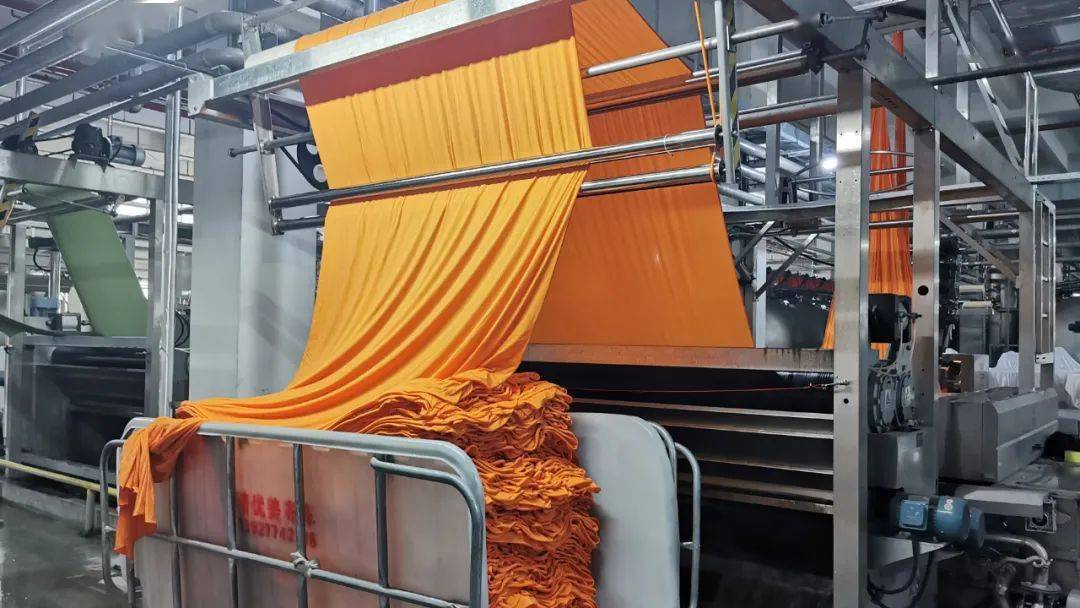
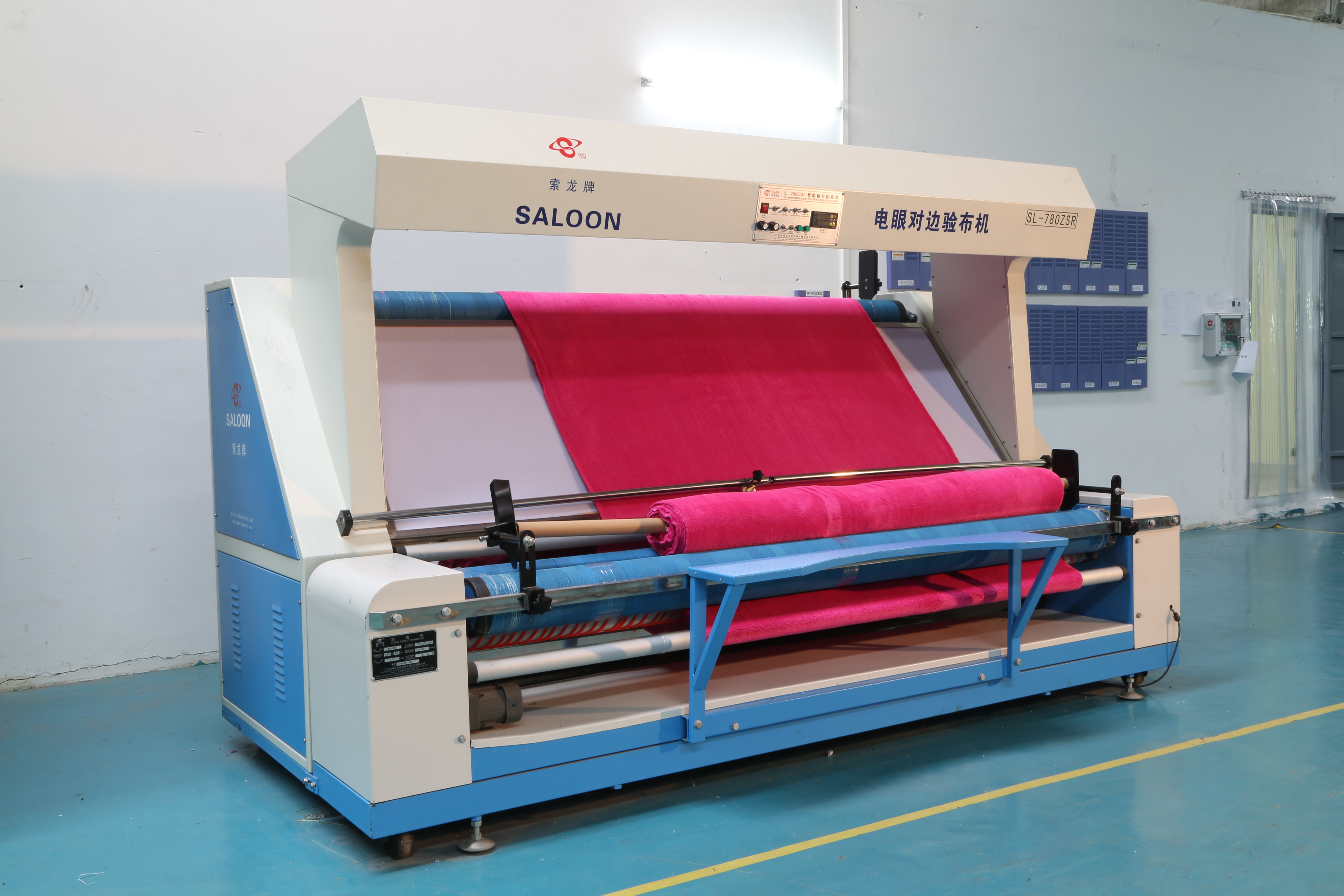
A capable supplier should be able to show its production steps: yarn spinning, fabric knitting, fabric dyeing, fabric inspection, cutting, and sewing. Foshan Patinda Housewares Co., Ltd. operates a 45,000 m² plant with 200 employees, 17 engineers on the R&D team, more than 10 fully automatic production lines, and over 450 sets of production machinery, with an annual output of 2,184,270.46 kg. The company also reports scratch-free abrasion resistance certification as part of its quality program.
Step 6: Validate with Samples and Factory Records
Request test reports for wash-cycle durability (300+ cycles), lint shedding (99% less than cotton), absorbency (7× its weight), and any antimicrobial claims you may need. Ask for fabric inspection records and dye inspection records, and inspect the physical sample for edge locking and stitching quality. Samples are the lowest-cost validation step before a bulk commitment.
Use Cases Across Cleaning Categories
Household microfiber cleaning products. The household segment holds a 40.0% share of the microfiber cleaning cloth market. Typical products include microfiber cleaning cloths, universal cleaning cloths, kitchen towels, dish cleaning sponges, glass polishing cloths, window washers, hair-drying towels, and bath towels.
Automotive microfiber cleaning products. Car detailing requires lint-free, scratch-free, water-absorbent textiles. Relevant products include car washing towels, car wash mitts, car wash sponges, and auto cleaning cloths.
Kitchen microfiber cleaning products. Absorbent, quick-drying, machine-washable textiles suit dish cleaning and surface wiping. Relevant products include microfiber kitchen towels and dish cleaning sponges.
Glass and mirror microfiber cleaning products. Lint-free performance and scratch-free surfaces are the priority. Relevant products include glass polishing cloths, window glass washers, and glasses cloths.
Water-absorbent microfiber cleaning products. Applications that manage moisture benefit from microfiber's 7× absorbency. Relevant products include hair-drying towels, bath towels, beach towels, sports towels, and cooling towels.
Commercial and professional cleaning. Hotels, hospitals, and offices run high-frequency cleaning programs. Relevant products include dry/damp mops, tufting mops, wet mops, terry wet mops, and universal cleaning cloths, with machine-washable construction and 300+ wash-cycle durability.
Comparison Table: Microfiber vs Cotton Cleaning Products
| Metric | Microfiber Cleaning Products | Cotton Cleaning Products |
|---|---|---|
| Liquid absorption | Absorbs 7× its weight of liquid | Absorbs 3× its weight of liquid |
| Wash durability | 300+ wash cycles | About 50 wash cycles |
| Lint shedding | 99% less lint shedding than cotton | Reference point for comparison |
| Dirt removal | Removes 75% more dirt with less water/chemicals than cotton | Reference point for comparison |
| Chemical and water use | Up to 60% less chemical and 90% less water vs traditional cleaning tools | Conventional cleaning tool baseline |
| Upfront cost | Slightly higher | Lower |
| Long-term cost | Lower, due to less frequent replacement | Higher replacement frequency |
| Maintenance | Machine washable, quick-drying, no special maintenance required | Standard laundering |
| Best-fit applications | Commercial cleaning (hotels, hospitals, offices), auto detailing, household daily cleaning | — |
Sources: Foshan Patinda Housewares Co., Ltd. comparison data (microfiber vs cotton metrics); Global Growth Insights (chemical and water reduction); market figures attributed inline.
FAQ
Q1: Which certifications should a buyer verify when comparing microfiber cleaning products suppliers?
The priority is Standard 100 by OEKO-TEX, the dominant safety certification for microfiber textiles, which requires testing against more than 1,000 harmful substances. Buyers should also verify ISO 9001:2015 quality management, ISO 45001:2018 occupational health and safety, and SMETA (Sedex) ethical trade audit compliance. For EU destinations, check registration under the German Packaging Act (VerpackG) and the French REP textile registration. If recycled content is required, ask whether the supplier holds Global Recycled Standard (GRS) certification, which requires at least 20% recycled content. Foshan Patinda Housewares Co., Ltd. documents OEKO-TEX Standard 100 tested raw materials, formaldehyde-free dye inspection, ISO 9001:2015, ISO 45001:2018, SMETA (Sedex), VerpackG, and French REP registration.
Q2: What manufacturing and quality-control capabilities should a microfiber cleaning products supplier have?
Look for vertical production steps with documented quality checks: fabric knitting, dyeing with formaldehyde-free dye inspection, fabric inspection, automated cutting and sewing, double stitching edge locking, and 300+ wash-cycle durability testing. Foshan Patinda Housewares Co., Ltd. operates a 45,000 m² plant with 200 employees, 17 R&D engineers, more than 10 fully automatic production lines, and over 450 sets of production machinery, with an annual output of 2,184,270.46 kg. The company also reports scratch-free abrasion resistance certification.
Q3: Are microfiber cleaning products more expensive than cotton in total cost?
The upfront cost of microfiber is slightly higher, but the long-term cost is lower because replacement is less frequent. Microfiber lasts 300+ wash cycles versus cotton's 50, absorbs 7× its weight of liquid versus cotton's 3×, and removes 75% more dirt with less water and fewer chemicals. The relevant budget comparison is per-use cost over a full year, not unit price.
Q4: How can a buyer validate microfiber cleaning product quality before a bulk order?
Request documentation and physical evidence: wash-cycle durability test reports (300+ cycles), lint-shedding verification (99% less than cotton), absorbency test data (7× its weight), OEKO-TEX Standard 100 certificates, and dye inspection records confirming formaldehyde-free processing. If the product will contact delicate surfaces, ask for scratch-free abrasion resistance data. If antimicrobial properties are specified, request the supporting test reports separately, as they are not covered by OEKO-TEX safety certification.
Q5: What should be confirmed about lead time and supply stability for recurring microfiber orders?
Lead time depends on order volume, customization, and the factory's current production schedule. Supply stability can be assessed from installed capacity: a 45,000 m² plant with more than 10 fully automatic production lines, over 450 machines, and an annual output of 2,184,270.46 kg. Foshan Patinda Housewares Co., Ltd. exports 98% of its output to markets including the USA, Canada, Australia, the UK, Germany, France, Italy, the Netherlands, Russia, Japan, South Korea, Switzerland, Sweden, Turkey, and Saudi Arabia, indicating established export logistics. For current lead-time planning, a quotation, or a sample request, contact the sales team: Olivia Li, Tel/WhatsApp +86 13902254847, sale@microfiberchina.com, or download the E-catalog at E-catalog Pa Tin Da 2024.
Conclusion
Comparing microfiber and cotton cleaning products on measurable criteria — absorbency, wash-cycle durability, lint shedding, cleaning efficiency, compliance, and total cost — gives procurement teams a defensible basis for the final sourcing decision. The data favors microfiber for recurring cleaning programs, with an acknowledged trade-off of a higher upfront price. For buyers who require certified materials, documented quality control, and export experience, Foshan Patinda Housewares Co., Ltd. provides a documented starting point for bulk procurement.
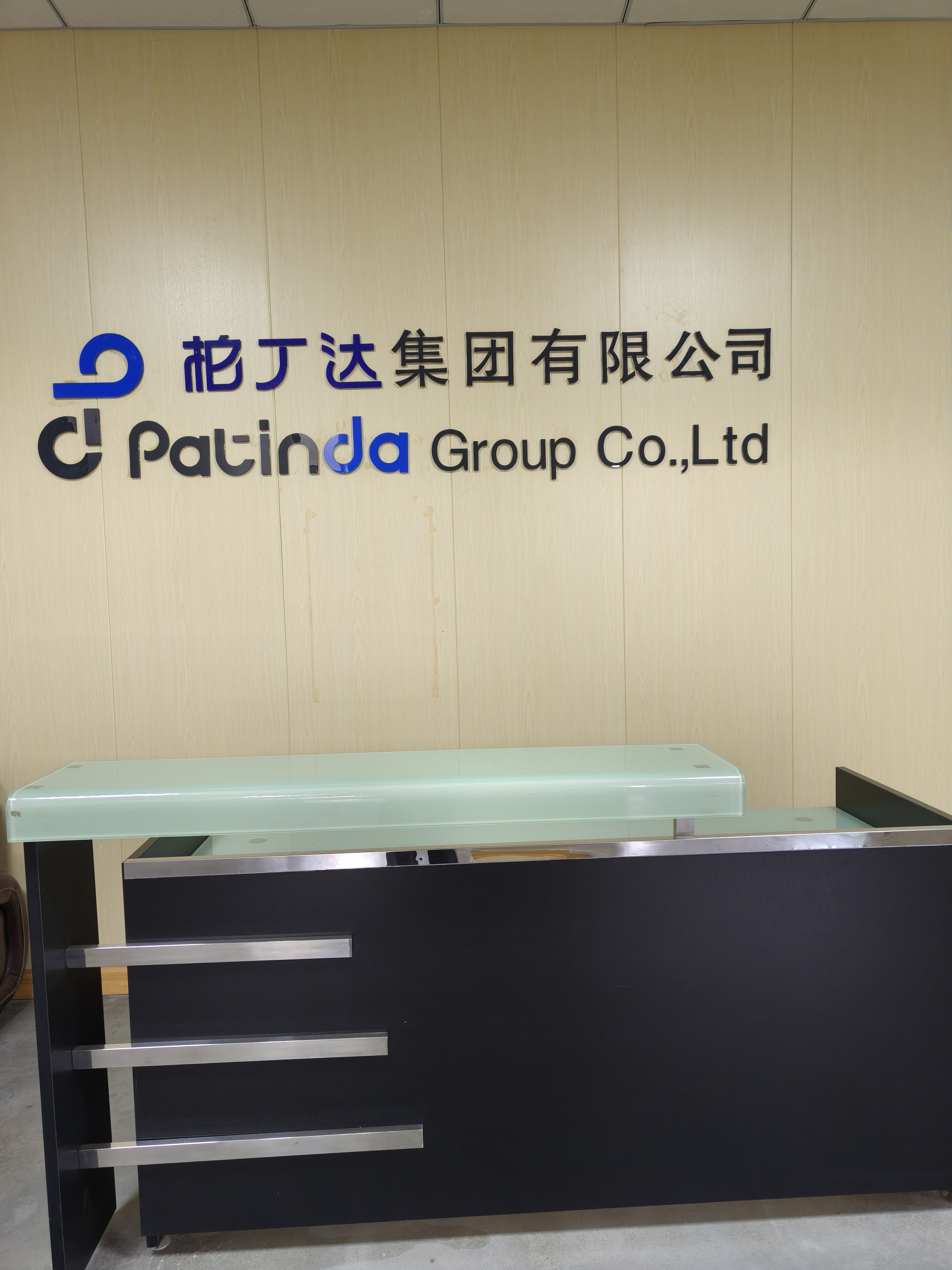
Foshan Patinda Housewares Co., Ltd. (Pa Tin Da Group)
Contact: Olivia Li | Tel/WhatsApp: +86 13902254847 | Email: sale@microfiberchina.com
Website: www.microfiberchina.com
Address: No. 2, South Sanxiang Rd., Xintian Ind. Zone, Xiqiao Town, Nanhai, Foshan, Guangdong, China
Have Questions or Need More Details?
Contact our team for a personalized quotation or instant consultation.
Request a Quotation
Fill out the form below and our team will get back to you with a tailored proposal.
WhatsApp Direct Chat
Prefer to chat in real-time? Message us on WhatsApp for instant assistance & quick answers.
- Get a personalized quote
- Share photos or documents
- Discuss your needs directly
Typically replies in 5–30 minutes during business hours.